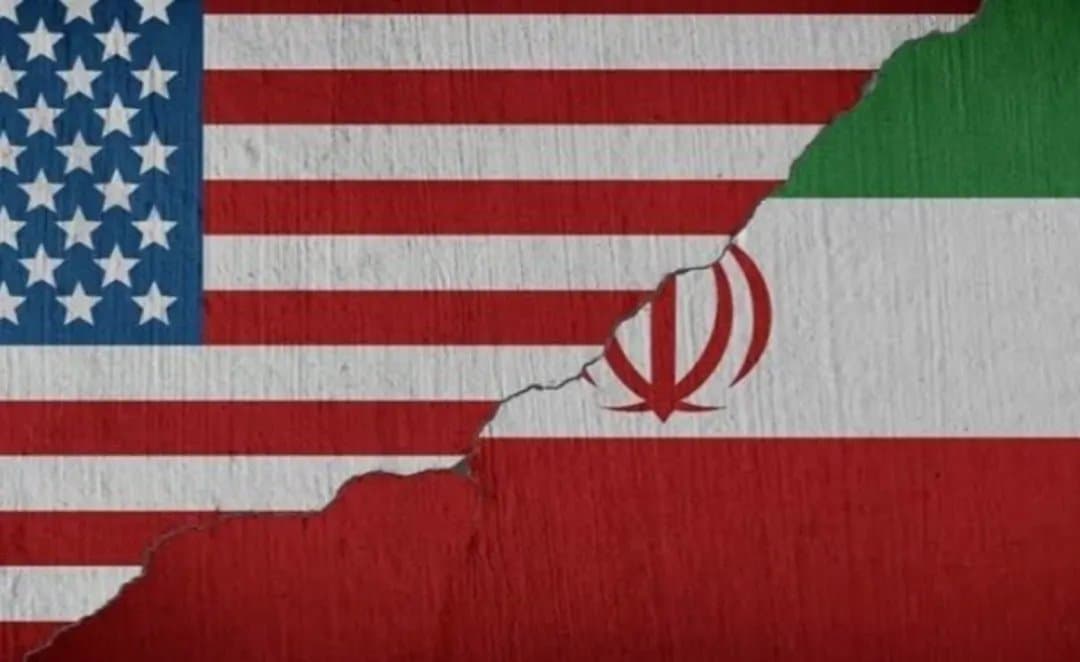
U.S. stock markets have dropped by more than $1.05 trillion in value after Iran publicly denied engaging in peace talks with Washington. The announcement intensified fears of renewed military conflict, with President Donald Trump signaling that diplomatic efforts are nearing their end.
Trump Signals Urgency as Military Threat Looms
President Trump emphasized that talks with Iran remain active but limited in time. He warned that if diplomacy fails, the U.S. might resume a more aggressive military stance. Trump revealed he postponed planned strikes following calls from regional intermediaries, who urged patience and further negotiations. These indirect talks, involving countries such as Oman, Qatar, and Pakistan, focus on reopening critical shipping lanes, especially the Strait of Hormuz, and rekindling broader nuclear discussions.
Market Reaction Reflects Rising Geopolitical Risks
Following Iran’s refusal to confirm peace discussions, U.S. equities weakened sharply. Analysts estimate losses around $1 trillion in market capitalization in sectors sensitive to geopolitical risk and global trade disruption. Semiconductor companies led the selloff, with giants like Advanced Micro Devices sliding more than 7%, Micron Technology falling over 5%, and Nvidia dropping close to 5%. Manufacturing and industrials also declined as investors factored in potential higher energy costs and supply chain challenges. Applied Materials and Caterpillar shares fell more than 4%, while mega-cap firms such as Tesla and Exxon Mobil saw milder declines. Oil prices hovered near $84 per barrel amid these tensions, and Bitcoin took a notable hit, briefly dipping below $64,400 before recovering slightly.
Strait of Hormuz Talks at the Negotiation Core
The negotiations revolve largely around securing maritime traffic through the Strait of Hormuz, a vital artery for global oil transportation. Omani Foreign Minister Badr al-Busaidi is spearheading efforts to establish fair and practical navigation rules. Proposals include allowing regional states to collect fees linked to maritime security and environmental safeguards, with a possible joint fund overseen by the International Maritime Organization. President Trump explained the pause in strikes as a calculated move following a new U.S. military plan targeting Iranian positions near the strait, describing the situation as "nothing gained, nothing lost." Despite concerns over ammunition supplies, Trump dismissed worries about U.S. military readiness after prolonged engagements.