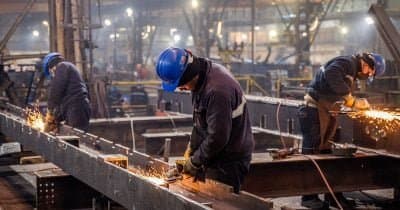
The ISM manufacturing index just climbed to 55.6 in July. That's the strongest reading since May 2022, marking seven straight months of expansion for a sector that spent years limping along. Anything above 50 signals growth. Below means contraction.
The jump reflects a collision of factors: solid production demand, aggressive hiring, and policy tailwinds from Washington's "America First" manufacturing agenda. The White House has flagged over 18,000 manufacturing jobs created in 2026 alone, with another 83,000 factory construction positions added since Trump took office. Semiconductors and pharmaceuticals are getting the hardest push.
The expansion puzzle
Here's where it gets interesting. Earlier in 2026, manufacturing construction spending actually dropped year-over-year, falling as much as 22% in some periods. Companies were expanding production using existing capacity before committing to new builds. It's rational sequencing, not a contradiction, but it shows the recovery has been choppy across different parts of the manufacturing ecosystem.
The administration's drive to onshore chip manufacturing directly intersects with infrastructure needs for AI computing and, by extension, crypto mining operations. More domestic fabrication capacity eventually means more accessible hardware for proof-of-work mining. That 22% construction spending decline is worth watching. If it reverses, as the production data suggests it will, it could trigger a new wave of capital deployment benefiting hardware-intensive industries including blockchain infrastructure and AI.
This article is informational only and should not be construed as financial or investment advice.