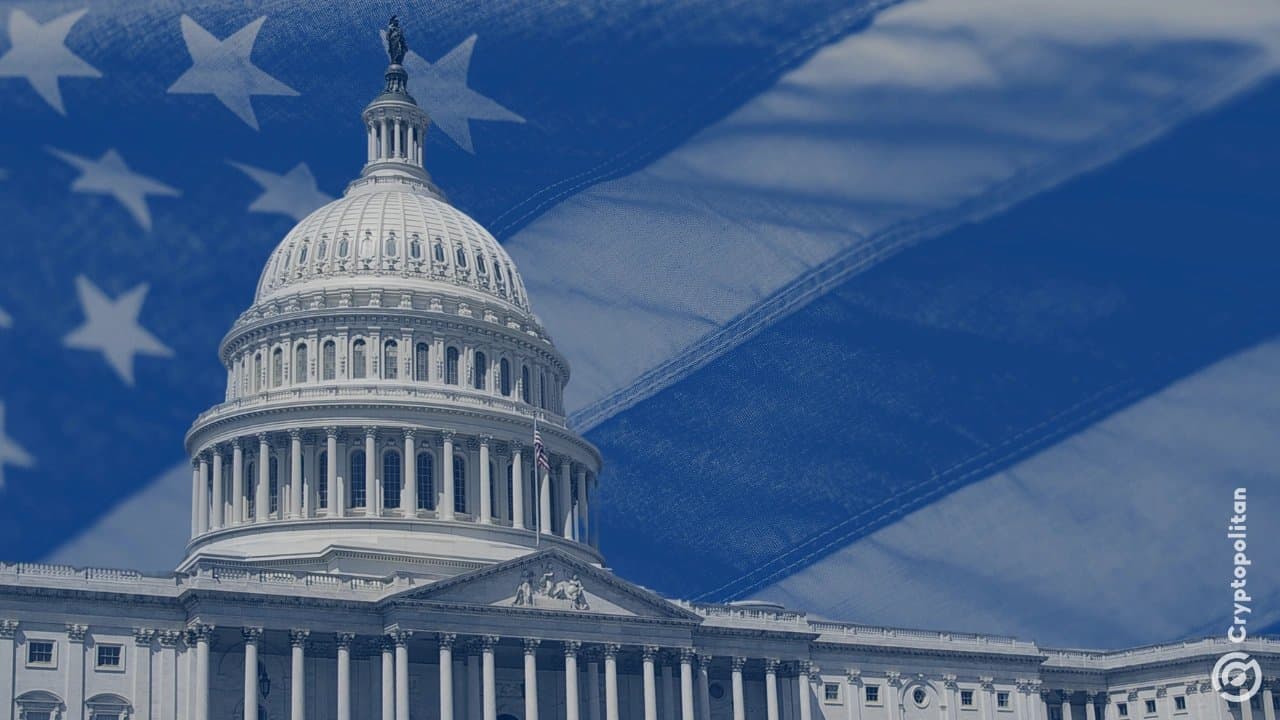
The House of Representatives has put the stock trading ban for lawmakers back on the table, and almost immediately the debate snagged on a question nobody fully agrees on: should crypto be banned too?
The push to restrict congressional trading has been kicking around Washington for years, but this round looks different. Bipartisan talks over requiring lawmakers to use blind trusts stalled once negotiators had to decide whether Bitcoin and other digital assets belong in the same category as individual stocks. That single question split the room.
Two sides, one uncomfortable overlap
Virginia Congresswoman Abigail Spanberger is pushing to include crypto in any blanket prohibition. Her argument is straightforward: lawmakers routinely vote on legislation that can move token prices, so holding digital assets while writing those rules is a clear conflict. Texas Congressman Chip Roy sees it differently. He calls crypto "a little different" from equities and says members should still be free to hold it as a hedge against inflation.
The Campaign Legal Center estimates that ten sitting members of Congress hold between them a meaningful share of crypto assets, which goes some way toward explaining why the debate is so charged. Add to that the fact that the crypto industry poured substantial money into the 2024 campaign cycle, backing both challengers and incumbents, and the political sensitivity becomes hard to ignore.
Rep. Bryan Steil had already floated tighter trading rules for Congress earlier this cycle, a proposal that drew attention but little legislative movement. The current effort, reported by both Politico and the Associated Press, is further along, but the crypto carve-out question could still derail it. The core fight has shifted from whether ethics rules are needed at all to where exactly the line gets drawn.
This article is for informational purposes only and does not constitute financial or investment advice.