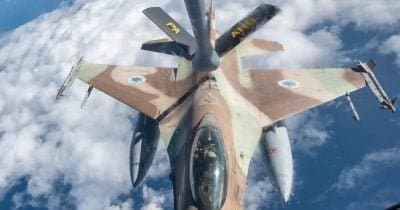
Five American aerial refueling tankers are currently patrolling the skies from Jordan to the Gulf of Oman following unexpected missile attacks by Iran targeting US forces. This surge clearly signals a ramp-up in military readiness, ensuring US fighter jets and bombers can maintain prolonged operations far from their main bases.
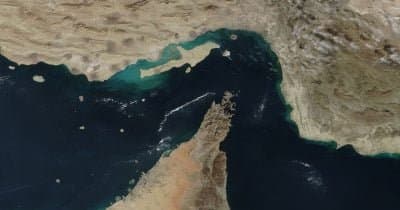
The presence of these tankers underlines a serious shift in the operational landscape, emphasizing the need to sustain air power in a region where tensions have spiked abruptly. The Strait of Hormuz, a vital artery for global oil shipments, sees uncertainty, with market confidence fading regarding the return to normal passage by the end of August.
Energy markets have already reacted, factoring in the possibility of prolonged disruptions in this key shipping lane, while diplomatic talks and military movements will be closely watched as key indicators of either escalation or stabilization. For context on regional strains, recent actions such as Iran blocking Oman’s proposal for joint Strait control add to the unstable backdrop.
Oil prices experienced a quick rally after the missile strikes near US bases, reflecting market jitters that persist amid the military build-up. The deployment of refueling tankers shows the US commitment to maintaining strategic air dominance across the region in light of Iran’s aggressive posture.
Market response showed a drop in expectations for normalization of Strait of Hormuz traffic by August 31, with probabilities priced just above 10%. This suggests traders are bracing for ongoing instability, echoing fears that the conflict could extend beyond short-term flare-ups.
This material is for informational purposes only and does not constitute financial advice.