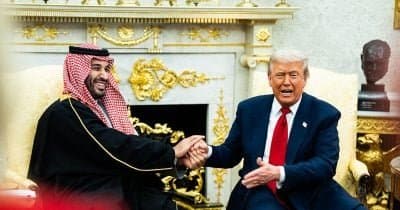
Valued in the billions, the new 30-year nuclear cooperation agreement between the United States and Saudi Arabia marks a historic shift, notably permitting uranium enrichment on Saudi soil for the first time in US Gulf diplomacy. Signed by US Energy Secretary Chris Wright and Saudi Energy Minister Prince Abdulaziz bin Salman, this pact could reshape the global nuclear landscape.
The Scope and Stakes of the Agreement
Finalized in late July 2026, this deal revives talks that had stalled and builds on a joint declaration from November 2025. It establishes a framework where US firms gain privileged involvement in Saudi Arabia’s nuclear infrastructure projects. A key feature is the authorization of a two-year feasibility study into domestic uranium enrichment. Should the study confirm commercial viability, Saudi Arabia may proceed with enrichment using advanced US “black box” technology designed to reduce proliferation risks.
Unlike previous accords with Gulf countries such as the 2009 US-UAE pact, which barred enrichment and reprocessing, this agreement acknowledges a broader Saudi role in the nuclear fuel cycle. It also includes safeguard measures to align with global nonproliferation standards, though some US lawmakers question their rigor.
Strategic Drivers Behind Saudi Arabia’s Nuclear Ambitions
Despite sitting on vast oil reserves, Saudi Arabia faces soaring domestic power demands fueled by population growth and its Vision 2030 development goals. Nuclear energy emerges as a solution to free more oil for export by satisfying internal electricity needs. also the kingdom’s own uranium reserves could position it competitively in the global nuclear market.
Amid ongoing regional tension linked to Iran’s nuclear program, this deal shifts Middle Eastern power dynamics by enabling Saudi Arabia to develop civilian nuclear capabilities with direct US backing. This development could have significant geopolitical ripple effects.