Freddie Mac clocked the 30-year fixed mortgage rate at 6.55% for the week ending July 16, 2026, and by July 23 Bankrate's own survey put it at 6.54%, with the broader market reading touching 6.58%. That is the highest the benchmark rate has sat in nearly twelve months, and it did not get there quietly.
Two forces pushed it up together. Oil prices have been climbing steadily, feeding inflation expectations at the long end of the curve. Treasury yields followed, and mortgage rates, which shadow those yields closely, had little choice but to move with them. The link between crude and borrowing costs for American homebuyers is not always obvious, but oil pushing toward triple digits is now large enough to reshape rate pricing across asset classes, not just equity markets.
What this means for the Fed's next steps
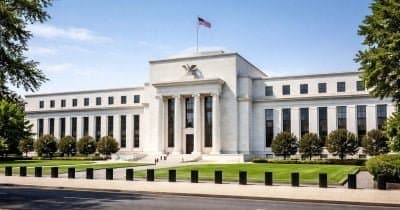
The timing matters. The Federal Reserve has meetings scheduled for July and September, and the fresh data on mortgage rates feeds directly into the inflation picture that Chairman Kevin Warsh and his colleagues will be weighing. Market pricing has already shifted: support for a sequence of back-to-back rate pauses has softened. Traders are now hedging for a scenario where the Fed feels less comfortable holding still.
For buyers, 6.58% on a 30-year loan is a real number with real consequences. On a $400,000 mortgage it means roughly $2,640 a month in principal and interest, about $90 more than at last year's lows. That gap is enough to push some buyers to the sidelines or nudge them toward adjustable-rate products they would otherwise avoid.
Analysts watching Fed officials' public statements say any hint of renewed hawkishness from Warsh could push yields, and with them mortgage rates, even higher before September's meeting.
Rate futures dipped on the news, with the probability of a July cut falling to near zero by mid-session.
This article is for informational purposes only and does not constitute financial or investment advice.