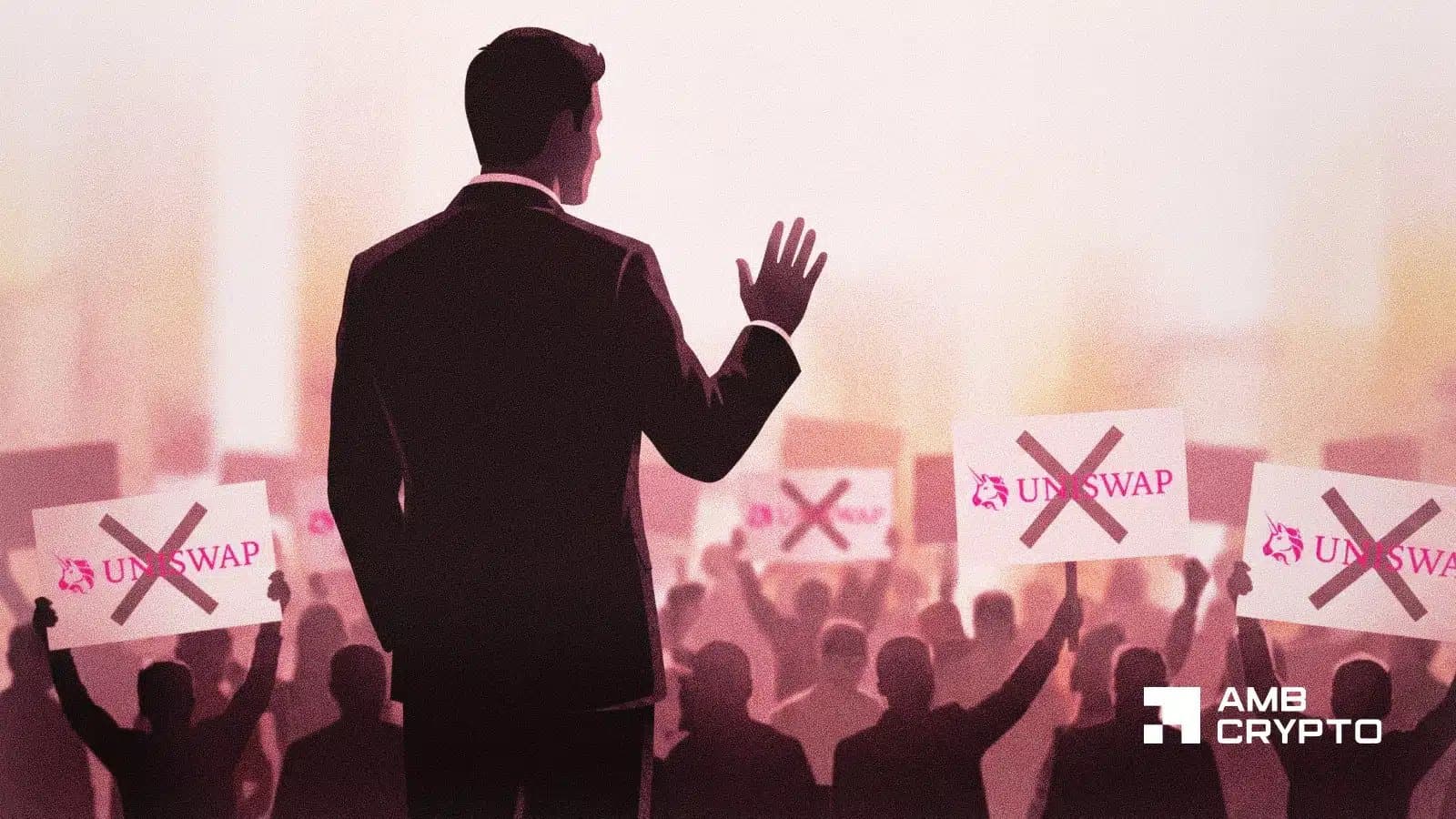
Uniswap CEO Hayden Adams pushed back on backlash surrounding the new protocol fee switch, dismissing concerns as unfounded misinformation. He claimed the idea that liquidity providers (LPs) face a 25% fee reduction is inaccurate. According to Adams, fees collected by LPs only add to their income rather than cut into it, contradicting the negative narratives.
LPs supply tokens to enhance trading on decentralized exchanges, earning a share of fees paid by traders, but they also face risks like impermanent loss. Still, some LPs and competitors, notably from Aerodrome DEX, have voiced strong opposition, describing the fee switch as unsustainable.
Division Over Uniswap’s Revenue and Governance
Critics like KoolKrypto challenged Adams’ statements, arguing the fee switch unfairly burdens LPs first, which could then drive up costs for traders. He went further, labeling the change a governance failure that might trigger LPs to leave, ultimately hurting Uniswap’s trading volume and revenue, including its UNI token buyback program. KoolKrypto warned this could lead UNI to collapse much like other tokens that experienced sharp declines.
Michael Egorov, founder of Curve Finance, agreed that higher fees can widen spreads and reduce volumes, negatively affecting LPs. However, he also critiqued Aerodrome’s model, pointing out that rewarding LPs with more tokens risks devaluing the token itself. Meanwhile, some LPs remain skeptical about how protocol fees are used, questioning the strategy of directing funds to buy back and burn UNI tokens instead of reinvesting in research and development.
Such debates over fee structures and governance echo challenges faced by other protocols, including Helium and Jupiter, which have ditched buyback programs amid similar scrutiny.
This content is for informational purposes and does not constitute financial advice.