A Ukrainian drone strike on July 25 targeted ships in the Caspian Sea, leading to the death of a sailor on board, according to Iranian reports. The attack signals Kyiv's push to disrupt the military supply route between Iran and Russia by hitting vessels believed to be transporting weapons and drone parts.
Details of the Caspian Sea Strike
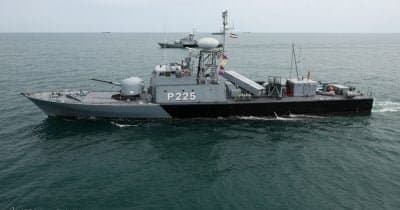
President Volodymyr Zelenskyy confirmed a series of long-range drone operations against Russian naval and cargo targets in what was once considered a secure naval zone. Among the impacted vessels were the cargo ships Port Olya-2 and Begey, both under international sanctions, plus a Project 12418 Molniya-class missile boat. These ships reportedly carried Iranian military hardware including ammunition, body armor, and components for Shahed drones, which Russia has used extensively against Ukrainian infrastructure.
Ukraine's ability to hit targets so far from its borders indicates a widening scope of its drone campaign and a strategic attempt to sever the Iran-Russia supply corridor. With sanctions pushing Russia and Iran to rely on the Caspian route for moving military materials, these strikes aim to cripple Russia's ongoing offensive capabilities.
Reactions and Implications for Global Markets
The Caspian Sea is a critical hub for oil and gas exports from countries like Kazakhstan, Turkmenistan, and Azerbaijan. Even targeted military actions here elevate risks for all maritime operations, pushing up insurance costs. Iran's role complicates matters further given its already-sanctioned status and deepening alliance with Russia. Experts warn that this incident may prompt further sanctions on Iranian-linked entities and shipping networks, tightening oil supplies and affecting global energy markets.
Ongoing Ukrainian attacks throughout 2026 suggest a concerted effort rather than isolated incidents, challenging the enforcement of sanctions since some targeted vessels continue operating despite restrictions.