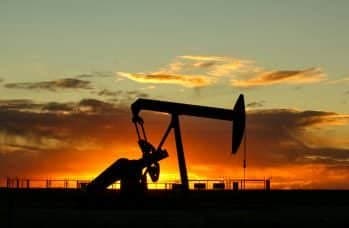
Gasoline prices in the US have surged to an average of $4.09 per gallon, driven by escalating tensions in the Middle East. This upheaval has stoked fears of supply disruptions, pushing crude oil prices higher worldwide. Brent crude, the global oil benchmark, is trading near $87 a barrel, reflecting these concerns.
Market watchers see volatility persisting. Current predictions suggest Brent crude has a 5.8% chance of hitting new all-time highs by the end of September. By year-end, that probability rises to 14.5%, signaling growing unease about the trajectory of oil prices as geopolitical instability in the region deepens.
Geopolitical Risks and Market Reactions
The turmoil in the Middle East has caused ripples through energy markets and could disrupt supplies critical to global economies. Major players like OPEC and the International Energy Agency (IEA) are expected to influence outcomes by adjusting production or policy responses. Any shift in their strategies, combined with evolving regional dynamics, could tip the balance and push crude oil prices to unprecedented levels.
As tensions simmer, consumers face steeper fuel costs, affecting budgets and broader economic activity. The situation remains fluid, with developments in the Middle East closely watched for signals that might ease or escalate price pressures further.
This content is for informational purposes and not financial advice.