Mortgage rates in the U.S. remained elevated on Monday, hovering close to levels not seen in nearly twelve months as borrowers brace for the Federal Reserve's upcoming meeting.
The national average rate for a 30-year fixed mortgage stood at 6.75%, a slight increase of 0.12 percentage points compared to last week, according to Bankrate's latest data. Meanwhile, the 15-year fixed rate averaged 6.10%. Other loan types like FHA, VA, and jumbo loans showed rates around 6.43%, 6.49%, and 6.73%, respectively.
These numbers are national averages and can vary widely based on individual factors such as credit score, down payment size, and loan amount. For example, a $400,000 mortgage at 6.75% would cost approximately $2,594 monthly in principal and interest alone, excluding taxes and insurance.
Freddie Mac’s most recent weekly report, dated July 23, showed the 30-year fixed rate at 6.58%, slightly higher than the previous week’s 6.55%. The 15-year fixed rose marginally to 5.96%. Although rates have climbed to almost a one-year peak, they remain below the 6.74% recorded in the same period of 2025.
The difference in reported rates between Freddie Mac and Bankrate comes down to timing and data sources. Freddie Mac compiles its weekly average based on submitted mortgage applications, while Bankrate updates its figures more frequently, reflecting faster market movements.
The Mortgage Bankers Association released figures for the week ending July 17, reporting the average conforming 30-year fixed loan rate at 6.69%, jumbo loans at 6.44%, FHA loans at 6.34%, and 15-year fixed mortgages at 6.04%. Adjustable-rate mortgages composed 7.7% of all applications.
The persistence of high mortgage rates ties closely to rising Treasury yields. The 10-year Treasury note ended last Friday at 4.69%, up from 4.50% just days earlier, and the 30-year Treasury yield reached 5.18%. Because mortgage lenders often benchmark rates against Treasury yields, these increases push home loan costs upward.
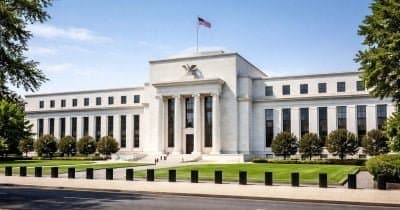
The Federal Reserve does not directly set mortgage rates but influences them through monetary policies that affect Treasury yields and lender costs. The Fed’s benchmark rate currently ranges between 3.5% and 3.75%, with a key policy meeting scheduled for Tuesday and Wednesday.
Despite higher borrowing costs, mortgage applications recently edged up 1.9%, with purchase requests rising 6% while refinancing fell 2%, according to the Mortgage Bankers Association’s latest data.