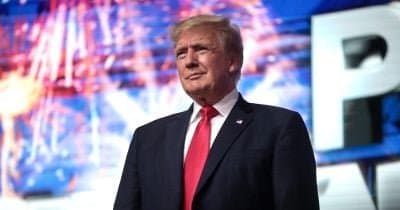
President Trump is poised to approve a sanctions bill aimed squarely at Russia and Iran, reviving tensions that could soon ripple across global energy markets. The legislation, named after the late Senator Lindsey Graham, authorizes steep tariffs on imports of Russian oil and gas, a move experts warn could push energy prices even higher worldwide.
Sanctions Target Russia’s Ukraine Actions and Iran’s Influence
The bill’s main thrust is to penalize Russia for its ongoing conflict in Ukraine by restricting its energy exports and penalizing countries that continue importing Russian hydrocarbons. On the Iranian front, it expands sanctions aimed at curbing Tehran’s regional activities. While the U.S. Senate has cleared most hurdles, the final congressional steps are underway before the bill lands on Trump’s desk.
Impact on U.S.-Iran Relations and Energy Markets
Investors and analysts are closely watching the bill in light of a tentative U.S.-Iran deal possibly scheduled for 2026. The hardening stance appears to reduce the chances for a diplomatic breakthrough this year. Prediction markets currently assign only a 26.5% likelihood that reconstruction funding for Iran will be part of any agreement, reflecting investor skepticism. The high tariffs on Russian energy are expected to tighten supply, likely driving energy prices upward amid already volatile markets.
The bill’s passage and President Trump’s signature could set off a chain reaction of geopolitical responses, especially from Iran and Russia’s allies. Changes in market pricing will reveal much about how investors perceive the shifting landscape and the prospects for U.S.-Iran negotiations. Investors may want to watch closely for congressional updates and any official statements from the White House.
This content is for informational purposes and does not constitute financial advice.


