Three weeks. That's all the Senate floor time left before lawmakers pack up for August recess, and it may be the last realistic window to push the CLARITY Act through before the summer break kills its momentum entirely. With that clock ticking, the White House decided it couldn't afford to stay on the sidelines.
What the Standoff Is Actually About
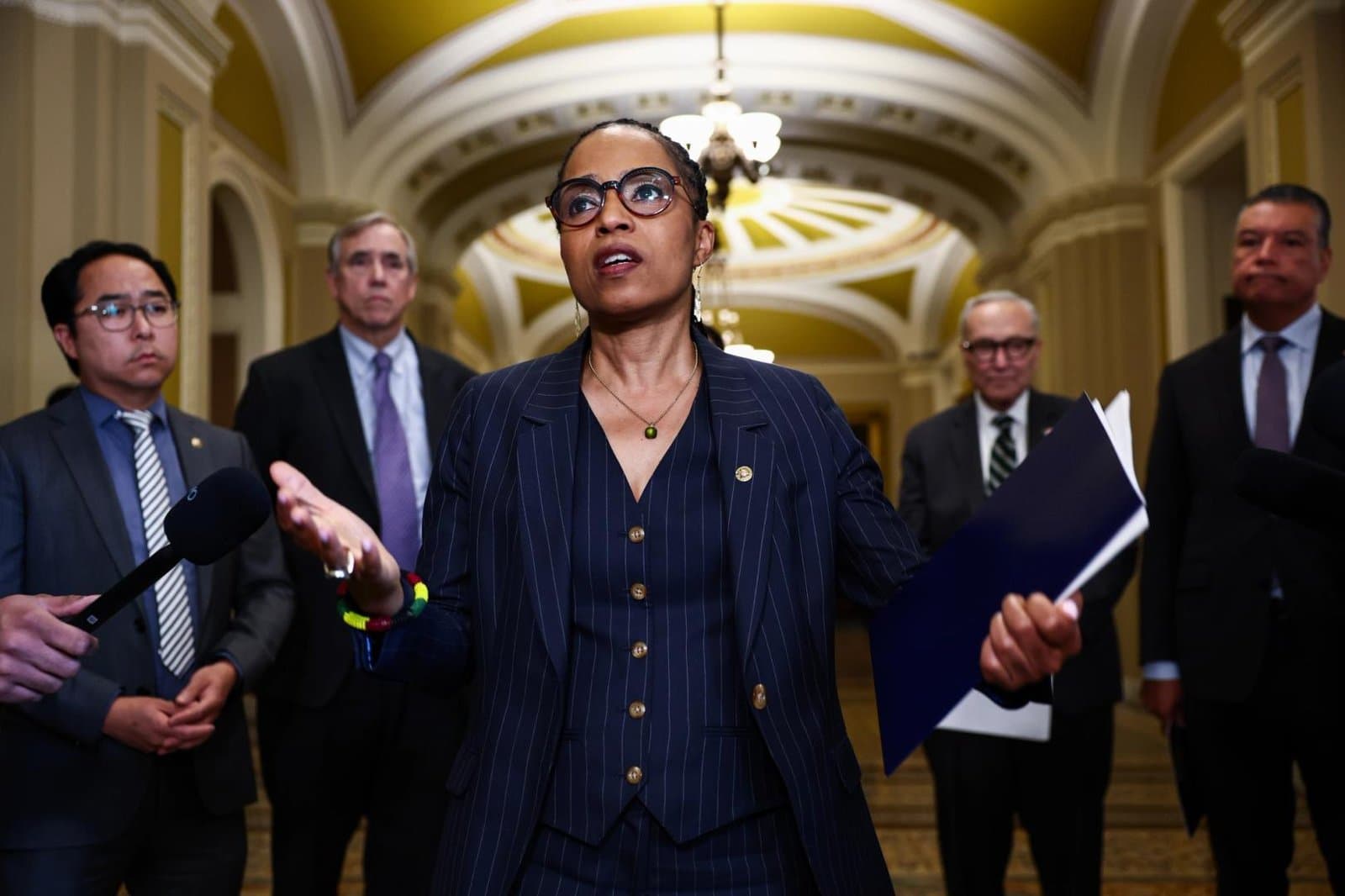
The CLARITY Act has been stuck on a conflict-of-interest dispute that senators haven't been able to resolve on their own. The ethics questions at the heart of the impasse center on how lawmakers with crypto holdings should handle legislation that could directly affect the value of those assets. It's a familiar problem in Washington, but crypto's rapid rise has made it harder to ignore, and harder to paper over with vague recusals.
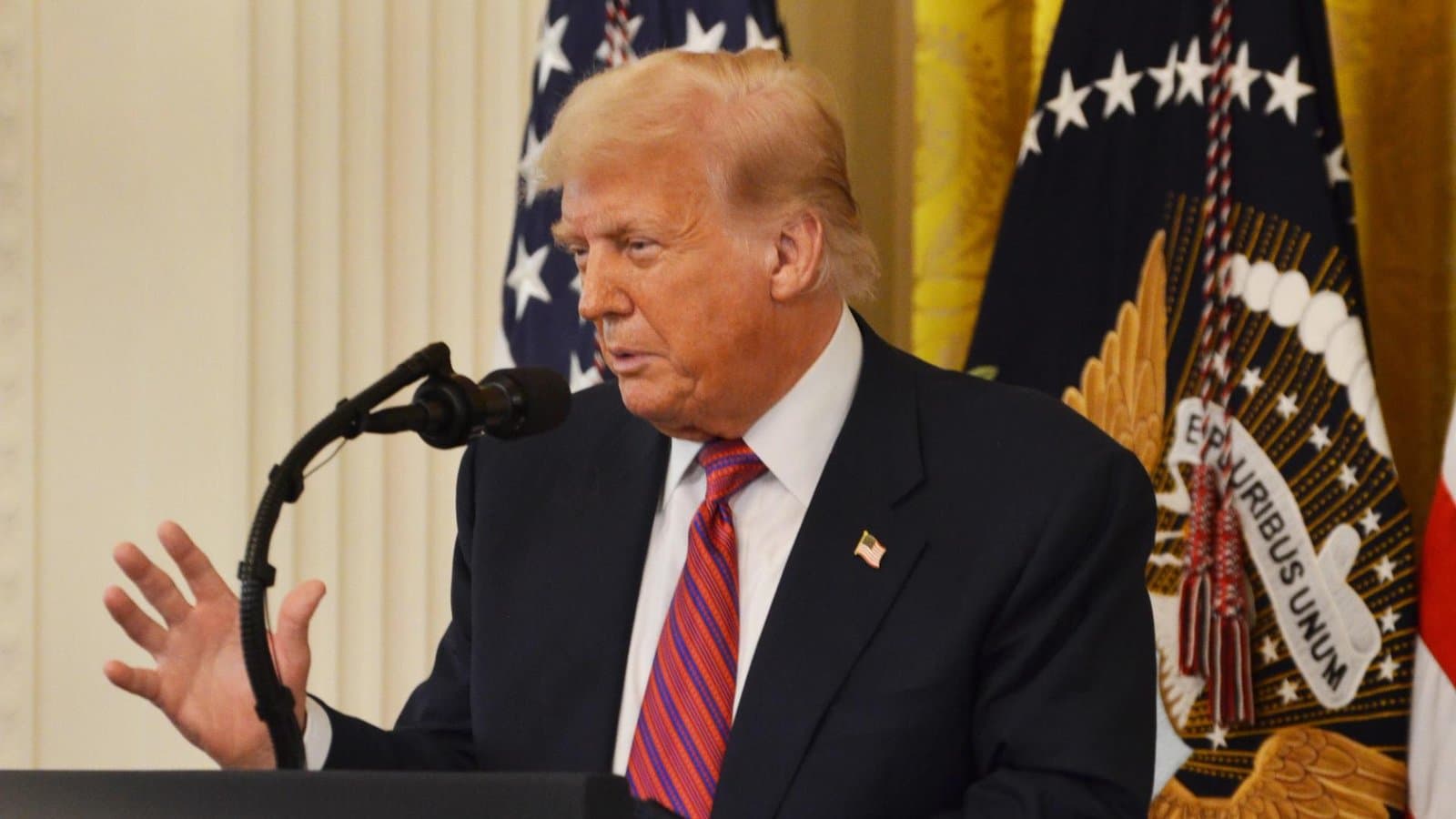
Trump met with senators directly, stepping in to try to break the gridlock himself rather than leaving it to congressional leadership. The move signals how much the administration wants this bill moving, not sitting in committee purgatory through the fall.
Why the Timing Matters More Than Usual
Congressional recesses have a way of quietly killing legislation. Bills that don't clear the floor before a break lose scheduling priority, face reshuffled committee dynamics when members return, and often get buried under whatever new political crisis September brings. For the CLARITY Act specifically, a delay past August would push any realistic vote into a stretch of the calendar crowded with budget fights and appropriations deadlines.
The three-week window isn't just tight, it's essentially the whole ballgame for this legislative cycle. White House involvement at this stage suggests internal polling on Senate votes is close enough that a direct push from Trump could actually move a handful of holdouts.
What Comes Next
Whether the presidential intervention is enough to resolve the ethics standoff remains an open question. The conflict-of-interest issue isn't purely procedural, it touches on how seriously the Senate takes its own disclosure and recusal rules in the crypto space. Some members who've been quiet on the bill may find it harder to stay quiet once the White House is publicly invested in the outcome.
If a compromise on the ethics provisions gets hammered out in the next week or two, the bill could still make it to the floor before the recess window closes. If it doesn't, the CLARITY Act heads into the fall in a considerably weaker position than it entered the summer.
This article is for informational purposes only and does not constitute financial or investment advice.