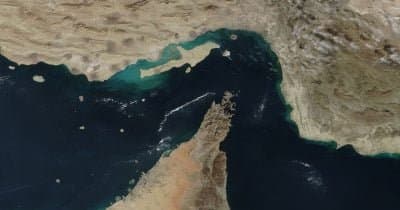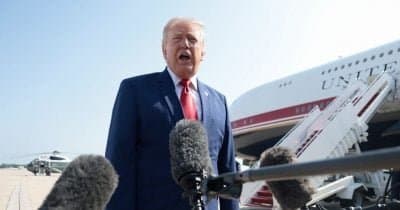
Just before a major strike was set to hit Iran, President Trump pulled back the trigger. On May 18, 2026, he announced the US would delay the planned military operation originally scheduled for the next day. This move came after urgent appeals from leaders in the Gulf, including Saudi Crown Prince Mohammed bin Salman and UAE President Sheikh Mohamed bin Zayed, who sought more time for talks.
Despite the pause, Trump emphasized that US forces remained fully prepared for a potential large-scale assault. Meanwhile, Israel viewed the delay less kindly, warning it might give Iran an advantage at the negotiating table. The situation was already tense: by July, US strikes had targeted over 80 Iranian locations, and naval operations continued to patrol the region.
The ripple effects of this geopolitical drama quickly spread to global markets. Oil prices jumped to nearly $87 a barrel, fueled by fears of prolonged conflict. Gold prices also surged, nearing $4,100 as investors sought safe havens. But the crypto world showed a jittery sideways shift, marked by sharp swings and uncertainty.
Particularly notable is how the US Treasury’s recent seizure of close to $500 million in crypto assets linked to Iranian entities is rewriting the rules. It signals a new frontier where digital currencies are targets in sanctions enforcement, raising concerns over government intervention risks in crypto markets anchored to national security.
This crackdown also ties directly into the economic pressures on crypto miners. Rising oil prices inevitably push up energy costs for mining operations, especially in regions where electricity prices track commodity markets. Higher expenses squeeze profit margins, which could slow growth in the mining capacity shifting the balance in proof-of-work cryptocurrency networks.
For anyone invested in crypto, these developments are a clear call to watch how geopolitics and energy markets intertwine with the digital asset landscape. Recent market trends show that such events can unsettle crypto prices just as much as traditional assets.
This article is informational and does not serve as financial advice.