President Trump's decision to pause planned military strikes on Iran triggered immediate relief across financial markets, leading to a drop in U.S. Treasury yields, the dollar, and oil prices. This move reduced the threat level in the Strait of Hormuz, a key artery for global oil flows, easing fears of supply disruptions that had driven prices higher in recent days.
Markets responded swiftly as investors shifted away from defensive stances. Oil prices retreated from their heightened levels, reflecting decreased anxiety over conflict in the region. At the same time, Treasury yields dropped, signifying a recalibration of risks tied to potential economic fallout. The dollar weakened in tandem, underscoring a broader reduction in safe-haven demand.
Historical trends indicate that similar de-escalations involving Iran have previously reversed spikes in oil and risk premiums. Speculation about oil reaching new record highs has diminished, with prediction markets adjusting expectations downward. Still, any renewed tensions or shifts in U.S. policy could quickly reverse these market moves.
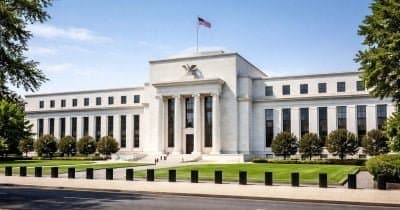
Investors and observers are now closely watching for reactions from Iran and any statements from U.S. officials, especially Federal Reserve Chair Jerome Powell. Changes in monetary policy outlooks could intersect with geopolitical risks to reshape financial conditions in coming weeks.