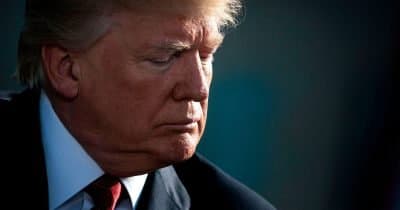
Donald Trump said on August 2 that Iran formally requested negotiations over its nuclear program and control of the Strait of Hormuz, with backing from Gulf states like Saudi Arabia, the UAE, and Qatar. He framed the talks as so imminent he'd postponed a planned military strike. Then Iran's Foreign Ministry flat denied it.
Iranian officials stated publicly on August 3 that no talks were scheduled. They made clear any negotiations would go through Oman, the traditional back-channel between Washington and Tehran, not directly with Trump. Tehran's leadership called Trump "unbelievably duplicitous" in return. The gap between what Trump announced and what Iran would acknowledge created immediate confusion about whether talks could even start as soon as August 3.
The diplomatic whiplash didn't happen in isolation. Back in June, Trump and Iranian officials digitally signed the Islamabad Memorandum, a framework meant to de-escalate conflicts and open broader engagement. That document was supposed to set the stage for months of careful diplomacy. This August announcement, if genuine, would represent a major acceleration. If not, it signals the fragile consensus around that June deal may already be fracturing.
Oil jumped 2.4% after Iran's denial, which traders read as a sign of renewed regional tension. Bitcoin barely flinched. The cryptocurrency held steady near $63,100 on both August 2 and 3, showing no reaction to either Trump's announcement or Iran's pushback. While crude prices swung on geopolitical risk, Bitcoin traders appeared unmoved by headlines that would normally trigger safe-haven flows.
This article is informational and does not constitute investment advice. Geopolitical statements can affect market pricing, but past announcements don't guarantee future outcomes.