Most people think they own bitcoin, but in reality, many only have a claim to it. Their coins are stored by exchanges, brokers, or funds, meaning ownership is just a ledger entry controlled by someone else. While this usually works, trouble arises when access is restricted or lost and that’s when users realize how little power they truly have.
What Recent EU Crypto Regulations Revealed
This summer, new European Union crypto rules forced unlicensed exchanges to halt regulated services for millions of users overnight. No hacks or fraud occurred; the services simply changed. Users were told they could withdraw funds, but that was a courtesy, not a guaranteed right. Withdrawals can be slow or partial, depending on decisions made by companies behind closed doors. Whether you can trade, move, or retrieve your assets depends entirely on these companies’ choices, which leaves users vulnerable to factors outside their control.
Why Self-Custody Matters More Than Ever
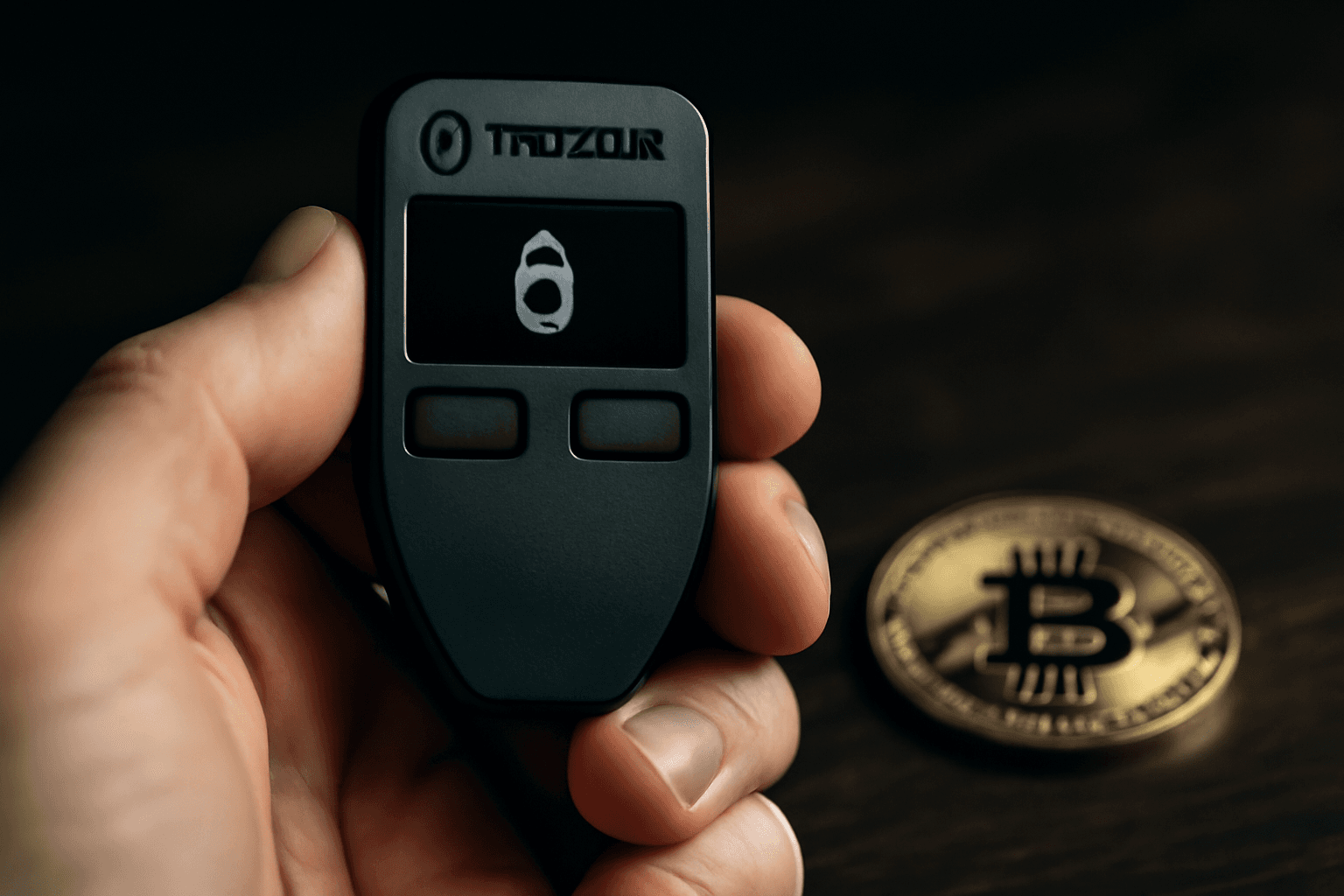
When you rely on a company to hold your bitcoin, your access depends on their financial health, security, licensing, and compliance with regulators and courts. Any failure in these areas can block your access. Self-custody cuts out the middleman, meaning your coins live on your own device safe from freezes during bankruptcy, hacks on third-party servers, licensing restrictions, or sudden changes in service offerings. With no counterparty involved, your bitcoin remains fully under your control.
This material is for informational purposes only and does not constitute financial advice.