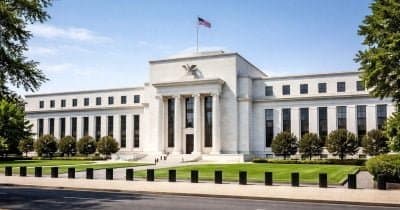
On July 30, 2026, the yield on the U.S. 30-year Treasury bond surged to 5.24%, marking its highest level in nearly two decades. This jump came right after the Federal Reserve opted to maintain current interest rates, a move that traders interpreted as a signal of persistent inflation worries.
Investors are increasingly betting that the Fed might raise rates again before September, shifting away from the earlier expectation of a pause in rate hikes from June through September. The spike in Treasury yields has intensified speculation about tighter monetary policy ahead.
Federal Reserve officials, including Chairman Kevin Warsh and Governor Michelle Bowman, remain key figures whose upcoming statements and policy decisions will be closely watched. Market players are tracking economic data like inflation reports and unemployment numbers for hints on whether the Fed will act sooner rather than later.
The evolving yields come amid turbulent financial markets, with significant implications for borrowing costs and investment strategies. This trend highlights how sensitive markets are to subtle shifts in Fed messaging and economic indicators.
This content is for informational purposes only and is not financial advice.