The Implications of Farage's Alleged Crypto Lobbying on UK Regulations
Nigel Farage's reported involvement in crypto lobbying sparks critical discussions about regulatory oversight and its potential market implications.
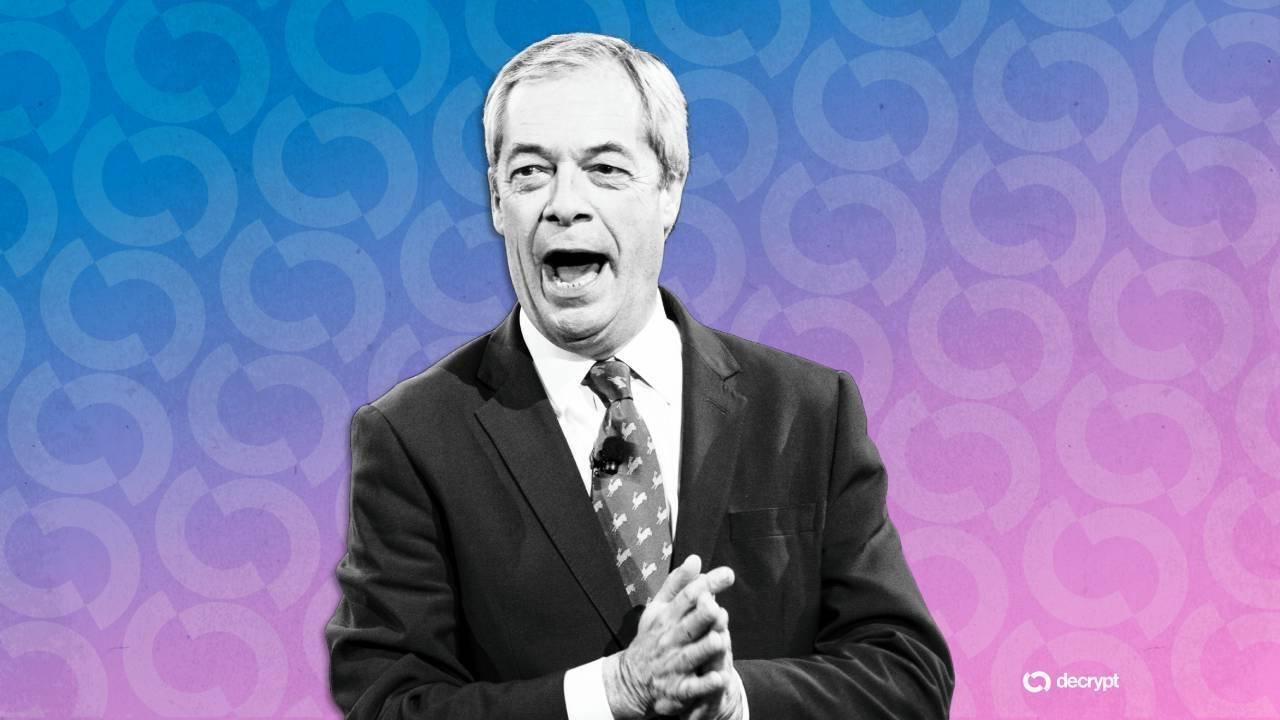
The recent report regarding Nigel Farage being reported to the UK Standards Watchdog over purported crypto lobbying raises significant questions about the intersection of politics and cryptocurrency regulation in the UK. This incident not only involves a notable political figure but also highlights broader regulatory implications that could ripple through the crypto market.
Understanding the Allegations
Farage, a prominent British politician known for his strong opinions and involvement in Brexit discussions, is under scrutiny for allegedly engaging in cryptocurrency lobbying activities. The UK Standards Watchdog's response indicates that Farage's actions might have crossed ethical boundaries, particularly if he did not disclose his affiliations and financial incentives related to crypto entities.
Significance of Regulatory Oversight
This situation underscores the increasing scrutiny that cryptocurrency entities face in the UK. As financial technologies evolve, so too do the regulations designed to ensure accountability and transparency within this domain. If Farage is found guilty of unethical lobbying, it could set a precedent that enforces stricter guidelines on lobbyists in the crypto space, impacting not just politicians but also financial institutions and private individuals engaged in crypto advocacy.
- Potential for increased regulation in the crypto sector.
- Stricter compliance requirements for crypto businesses.
- Greater emphasis on transparency in lobbying practices.
Market Consequences for Investors
The implications of this case extend beyond ethics; they may have tangible effects on the cryptocurrency market itself. Should the regulatory environment become more stringent, it could lead to a reduction in investor confidence in crypto assets, influencing both short-term and long-term market dynamics. Investors will need to consider the political climate as a critical factor in their strategies moving forward, as political actions and regulatory changes can dramatically affect market volatility.
Furthermore, this event may contribute to a growing dialogue about the need for clearer, more effective cryptocurrency regulations that protect investors while fostering innovation. If the backlash against lobbying leads to thoughtful reform, it could enhance the legitimacy of the crypto sector, thereby attracting more institutional investments.
Conclusion
The case against Farage serves as a reminder of the importance of ethical conduct in politics, especially in rapidly evolving fields such as cryptocurrency. It is crucial for stakeholders within the crypto community to engage in ethical practices and advocate for clear regulations that support both innovation and investor protection. As this story develops, all eyes will be on the UK to gauge how regulatory frameworks adapt in response to political movements and accusations in the crypto space.