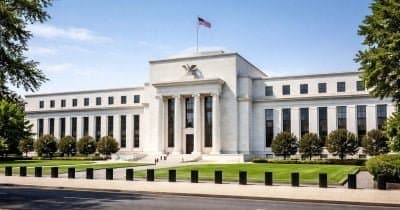
Brent crude oil breaking the $100 barrier has sent shockwaves through the markets, abruptly shifting Federal Reserve rate hike expectations. The odds of a rate increase now stand at 38%, a sharp reversal from earlier bets leaning toward near-term rate cuts. This shift signals renewed concerns over inflation and tighter monetary policy ahead.
Rising Yields Tighten Financial Conditions
The bond market reacted swiftly, with the two-year Treasury yield climbing to 4.37% and the ten-year yield approaching 4.7%. These rising yields are not just numbers, they translate directly into higher borrowing costs for businesses and consumers alike. Stocks have softened under the weight of increased financing expenses, while the housing market faces fresh pressure as mortgage rates edge higher. The ripple effects reach into the crypto sector, where financing and investment costs are also feeling the squeeze.
Mixed Inflation Signals Complicate Fed Decisions
Inflation readings have been a puzzle. June Consumer Price Index (CPI) data showed cooling inflation at 3.5%, offering some relief. Yet, the earlier May Personal Consumption Expenditures (PCE) index, the Fed’s preferred gauge, painted a different picture with inflation stuck at 4.1%. This discrepancy leaves policymakers navigating uncertain terrain, balancing the need to control inflation without derailing economic growth.
Market participants are monitoring these mixed signals closely. Higher oil prices add fuel to inflation worries, potentially forcing the Fed into a more hawkish stance despite signs of moderation elsewhere.