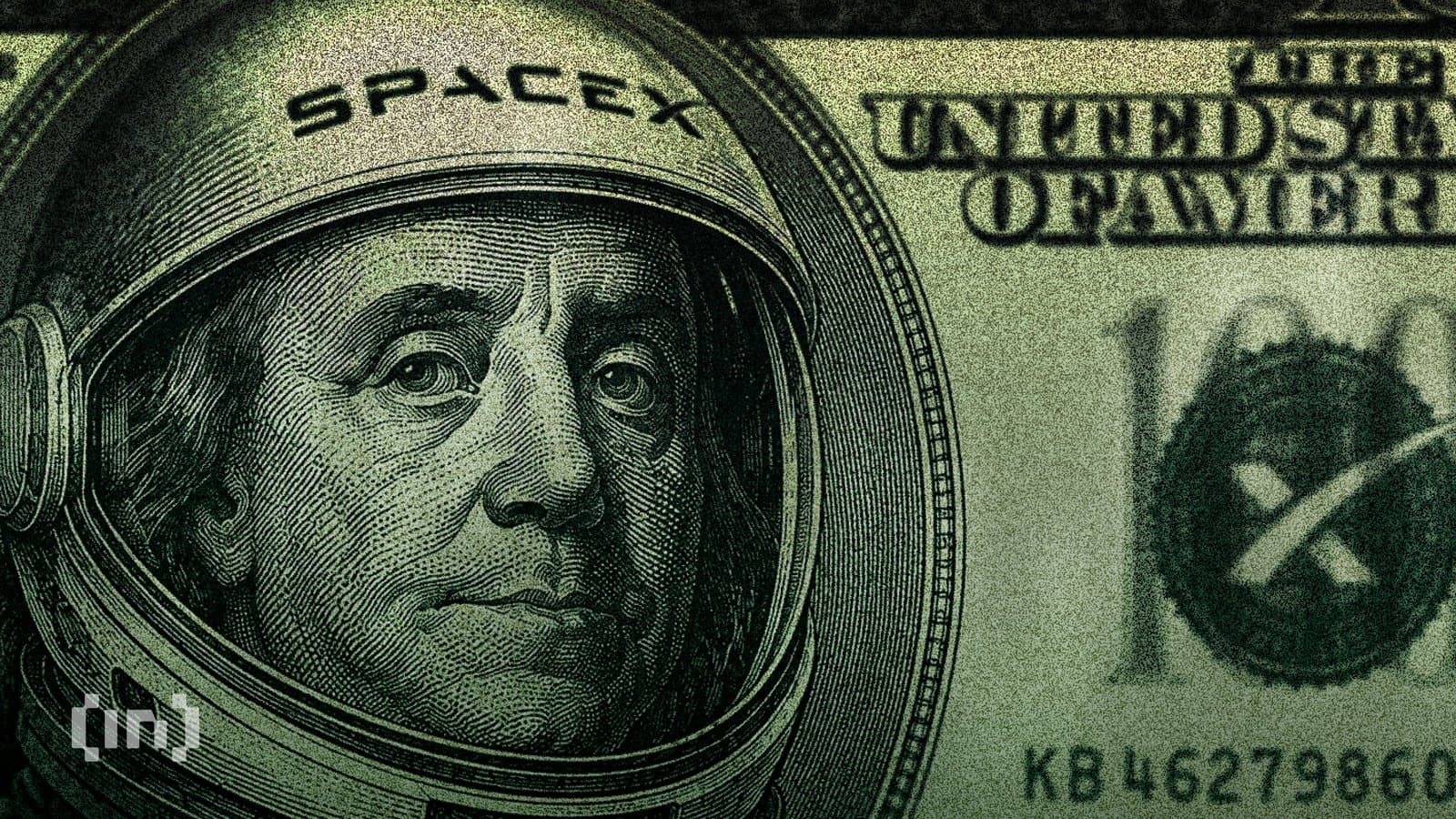
SpaceX stock dropped below its IPO price, closing near $115 last week, roughly 15% under the $135 debut price set on June 12. Investors who bought at the listing are now facing losses, prompting speculation about whether the stock can recover, and where a parallel might be found.
When SpaceX went public, it raised close to $75 billion by selling 555.6 million shares at $135 each, putting the company’s valuation near $1.77 trillion. The debut was promising: shares opened at $150 and ended the first day near $161, then climbed to an intraday high of $225.64 by June 16. However, the surge proved short-lived.
By July 22, the stock had fallen 6.7% to $115.26, wiping out almost half of the gains from its June peak and lowering the company’s market value to around $1.52 trillion. Elon Musk’s net worth took a hit earlier in this slide, losing approximately $500 billion. The decline followed several setbacks: delays in the Starship program, Blue Origin’s successful capital raise, and a notable achievement by China’s space program.
On July 10, China landed its Long March 10B rocket booster on a sea platform, becoming only the second country to recover an orbital-class booster. SpaceX first accomplished this feat back in December 2015, and this development highlighted China closing a decade-long gap. The booster recovery sparked concern among investors, with some viewing SpaceX’s stock drop as a broader market signal.
Key Dates Could Define SpaceX’s Short-Term Outlook
SpaceX’s first earnings report is scheduled for August 4. Two days later, August 6, a large tranche of shares will become eligible for trading following the expiration of a lock-up period tied to the earnings release. Up to 911.5 million shares could flood the market then, though Elon Musk’s holdings remain locked for 366 days, preventing him from selling before June 2027.
Interestingly, a second batch of 455.8 million shares set to unlock in August depends on the stock hitting $175.50, 30% above the IPO price, for five of ten days ending on the earnings date. Given the current $115 price, this condition seems highly unlikely, reducing the immediate share supply expected in the market.
While many compare SpaceX’s public debut to Tesla’s, the better parallel may be Meta. Both companies faced early-period stock volatility and investor skepticism despite massive valuations. The unfolding story with SpaceX mirrors Meta’s experience more closely than Tesla’s meteoric rise.
Elon Musk’s recent warnings about AI risks coincide with broader market uncertainties, adding to investor caution. SpaceX’s path in the coming weeks and months will hinge on earnings, operational progress, and market appetite for such high-profile tech stocks.