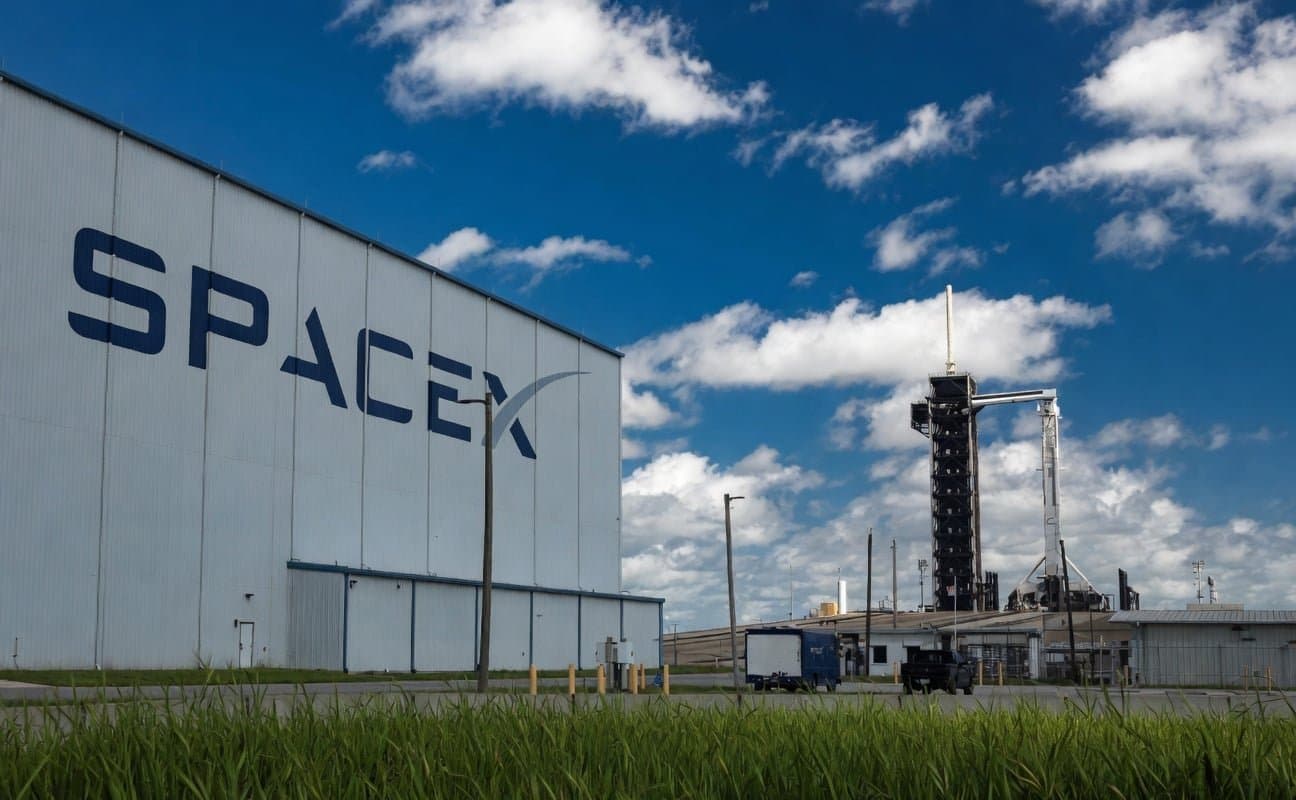
SpaceX shares gained 1% to $116.35 in premarket trading Thursday, recovering some ground after a punishing 6.7% drop the session before. The rebound landed right as the company prepared for its 13th Starship test flight, with a launch window opening at 6:45 p.m. ET from Starbase, Texas.
The stock has had a rough run since its IPO. It snapped a seven-day losing streak on Tuesday, slid again Wednesday, and now trades at roughly 40 times estimated 2026 sales. No trillion-dollar company has ever held that multiple for long. Valuation jitters aside, the market is clearly treating today's launch as a binary event.
The first Flight 13 attempt on July 17 never got off the pad. Several engines on the Super Heavy booster failed to ignite automatically, forcing a last-minute abort. In the week that followed, SpaceX replaced at least two of the booster's 33 Raptor engines, according to Elon Musk. Then Tropical Storm Bertha showed up. SpaceX flagged on X that weather is "currently a significant watch item," with the storm dragging rain, wind, and rough surf across the Texas coast. Flash flooding and tropical storm-force winds remain possible near Starbase, per the National Hurricane Center.
What the rocket actually has to pull off
The Super Heavy booster needs to launch, complete ascent, separate cleanly, execute a boostback burn, and stick a controlled landing burn over the Gulf of America. The upper stage, Starship itself, then has to deploy 20 Starlink V3 satellites, attempt a single Raptor engine re-ignition in space, and bring itself down in a controlled splashdown in the Indian Ocean. That is a lot of boxes to tick on what is only the second flight of the Version 3 configuration.
A clean run would push Starship closer to full reusability. SpaceX says that milestone could slash the cost of reaching orbit by roughly 90% compared to Falcon 9. RBC analyst Ken Herbert calls lower costs the "flywheel" behind SpaceX's entire value story, arguing there is no viable path to orbital AI data centers without Starship working at scale. Morgan Stanley's Adam Jonas has noted the company eventually plans thousands of Starship launches per year, a figure that puts today's single attempt in sharp relief.
This article is for informational purposes only and does not constitute financial or investment advice.