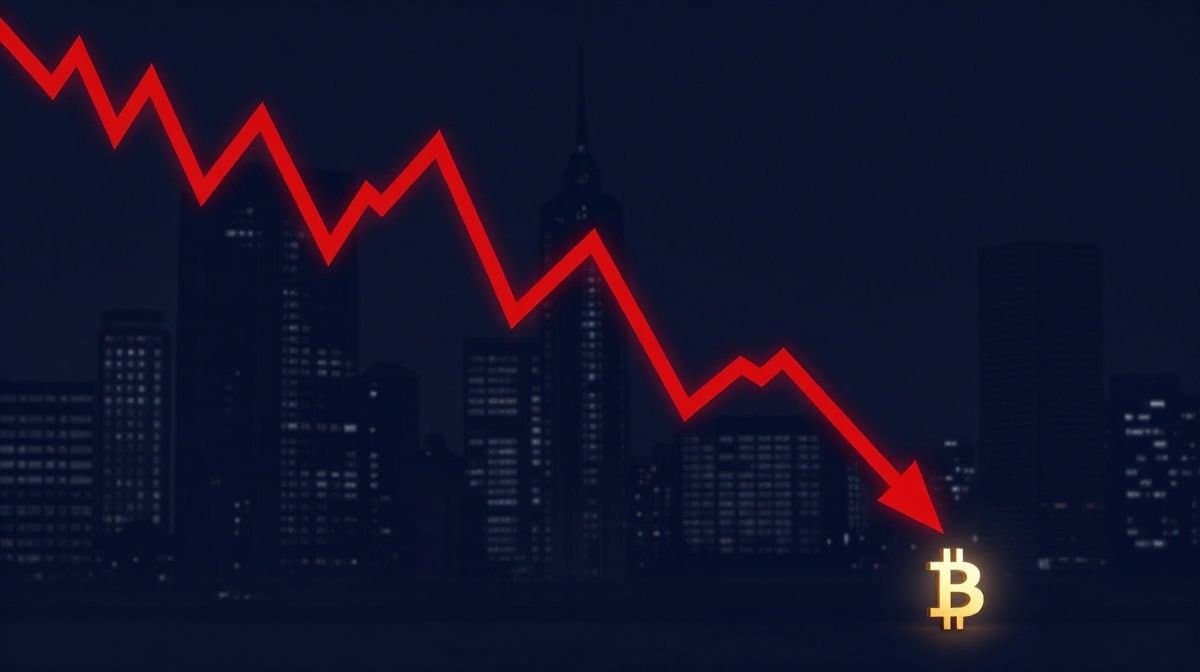
South Korea’s stock market plunged dramatically, wiping out nearly $2 trillion in value in just over a month. The KOSPI index lost more than 33% in July alone, marking its steepest monthly downturn ever and erasing about 40% of its value since hitting a record high barely six weeks earlier. Circuit breakers triggered on back-to-back days for the first time in history, signaling extreme market turmoil.
The KOSPI stands as the main stock index on South Korea’s Korea Exchange, representing all common stocks on the primary board. It functions much like the S&P 500 does for the US market. What sets the KOSPI apart is its heavy concentration in just a few tech giants Samsung Electronics and SK Hynix make up nearly half the index’s weight. Both companies specialize in memory chips, essential components powering the global AI boom expected to ramp up in 2026.
Why this crash echoes through global markets
These chipmakers play a critical role in the global supply chain for AI hardware. When their stock prices tumble, it ripples through markets worldwide. The recent selloff in Seoul dragged down Nasdaq futures and even influenced Bitcoin's price movements, highlighting how intertwined traditional equities and crypto have become.
The index’s surge earlier this year was nothing short of spectacular. The KOSPI more than doubled in value during the first half of 2026, peaking at 9,385.59 in June and briefly placing South Korea as the sixth-largest stock market worldwide. However, the reversal was swift and brutal. From that June peak, the index dropped nearly 44%, closing at 5,593.56 after a brief recovery attempt fizzled out. Intra-month trading saw the index fall almost 39%, far surpassing the 31% drop endured during the COVID crash in March 2020.
Most damage occurred during two trading sessions at the end of July, when approximately 864.5 trillion won vanished from market capitalization. This collapse not only shakes confidence in South Korean equities but also exposes vulnerabilities in the AI hardware supply chain, which investors watch closely amid ongoing technological advancements.
This content is for informational purposes only and does not constitute financial advice.