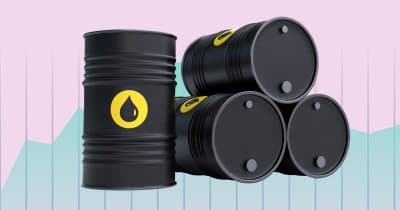
Oil prices have jumped over $100 a barrel, and the US 10-year Treasury yield is hovering near 4.71%. This combo is making investors rethink how long stocks and cryptocurrencies can keep climbing. Bitcoin felt the pressure, slipping to around $65,500 on July 23 as the market tightened.
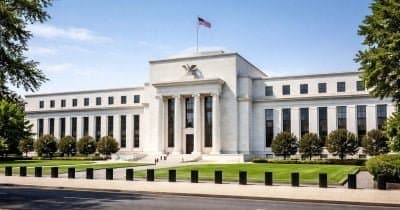
When oil climbs this high, it usually means inflation is heating up. Energy costs trickle down into everything, pushing the Federal Reserve to consider raising interest rates to cool things off. Higher rates make borrowing more expensive and can slow down economic growth, which is bad news for riskier investments like stocks and crypto.
At the same time, the 10-year Treasury yield edging close to 5% offers a safer place to park your money. Bonds paying near 5% risk-free make risky assets less appealing. Why hold Bitcoin that offers no dividends or interest when government bonds are paying solid returns? This shift is drawing funds away from speculative markets.
Crypto feels these shifts more sharply than others. Bitcoin and its peers don’t produce cash flow or dividends, so when safer returns are available, investors pull out. Historically, spikes in oil prices have aligned with dips in crypto confidence as higher energy costs squeeze financial conditions. Plus, Bitcoin miners are hit hard because mining uses lots of electricity. When energy gets expensive, mining becomes less profitable, forcing miners to sell coins to cover costs, which adds selling pressure.
This environment is tough for both stocks and crypto, as rising costs and yields reshape where investors want their money.