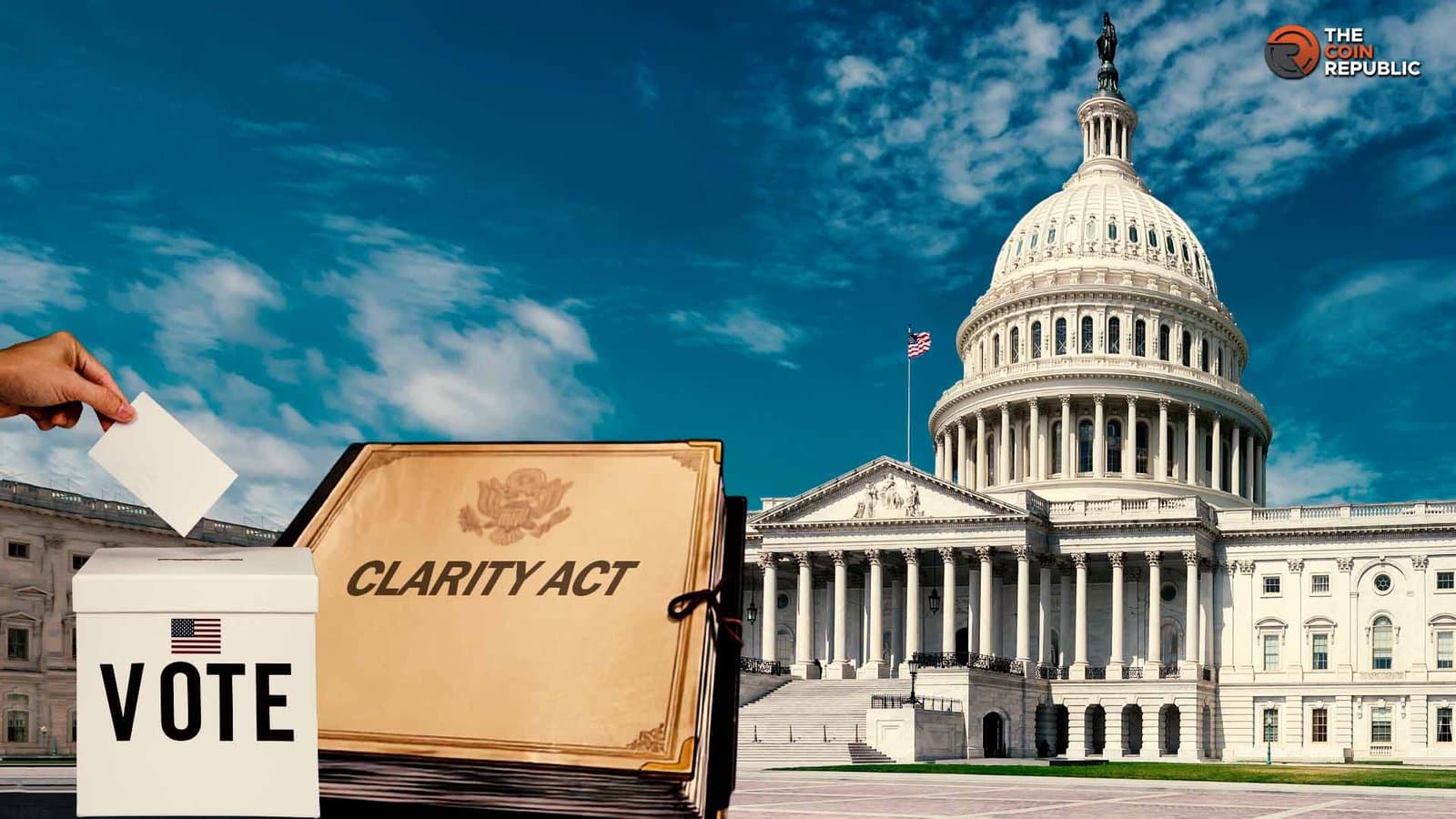
Kalshi traders pushed the probability of a Senate vote on the CLARITY Act above 72% on July 22, after reports emerged that the White House and Republican senators struck a deal on contested ethics language. The deadline is August 8, when lawmakers leave Washington for recess.
Bitcoin was trading near $65,900 at the time, just off a local peak of $66,400. Coinbase and Circle shares both climbed on the policy optimism. That said, a floor vote is a procedural milestone, not a finish line. A separate Kalshi market puts the odds of the bill actually becoming law in 2026 at just 31%.
Record Spending Behind the Push
Crypto firms poured $189 million into the 2026 midterm elections through June, according to Public Citizen. That already exceeds the industry's full 2024 election spend and accounts for more than one-third of all corporate political money this cycle. Fairshake alone pulled in $82 million of that total. The contributors include Coinbase, Ripple, Andreessen Horowitz and Foris DAX, the Crypto.com affiliate.
The money isn't tied to a single bill, but the CLARITY Act sits at the center of the industry's market structure push. The Senate Banking Committee passed H.R. 3633 in a 15-9 bipartisan vote back on May 14. Floor passage requires 60 votes, meaning Republicans need to peel off several Democrats despite that committee result.
President Trump accepted ethics terms negotiated with Senators Cynthia Lummis and Bernie Moreno. The rules reportedly cover the president himself and are enforced by the Justice Department. Democrats said they hadn't yet reviewed the final language when reports surfaced. Open questions around anti-money laundering standards, know-your-customer rules and enforcement responsibilities could still complicate floor negotiations and shape how exchanges track customer activity and flag suspicious transfers.
Fundstrat argues prediction markets may be underpricing passage. Recent restrictions barring political insiders from trading on legislative outcomes may have thinned the pool of participants who normally react fastest to private signals from the Hill.
This article is for informational purposes only and does not constitute financial or investment advice.