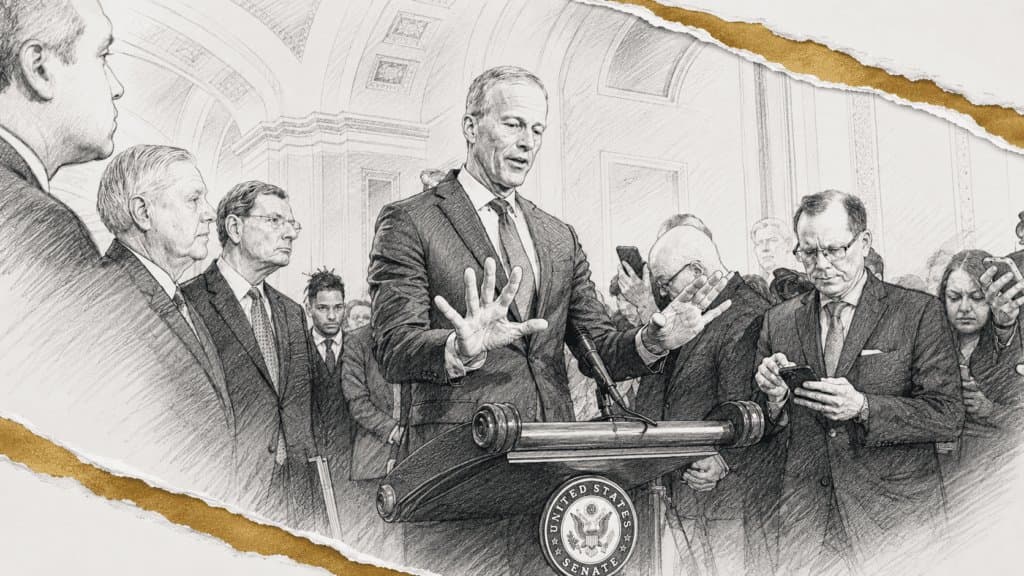
The Senate is prioritizing federal nominations, government funding, and a Russia sanctions bill this week, leaving little room for a vote on the Digital Asset Market Clarity Act, the crypto sector's top legislative goal. Majority Leader John Thune started moving a package of nominees on Monday and plans to focus on the Russia sanctions bill by Tuesday night, pushing the Clarity Act further down the agenda.
Senate rules usually allow only one contested bill on the floor at a time, so Clarity’s chance to reach a vote depends on the outcome of these pressing measures. The chamber is also preoccupied with Senator Lindsey Graham’s funeral, who recently passed away and to whom the Russia sanctions bill has been dedicated.
This delay likely means the Clarity Act won’t be taken up before the August 8 recess, shifting its next opportunity to September. With each postponement, the odds grow that the bill won’t become law this year, forcing the industry to rely on the GENIUS Act’s stablecoin provisions and ongoing SEC and CFTC regulations for guidance.
Negotiations on Ethics Clause Continue
One of the biggest sticking points remains an ethics clause that bans senior officials, including former President Donald Trump, from backing crypto projects. Trump recently agreed to a version that extends the ban through January 20, 2029, with enforcement handled by the Department of Justice. Democrats, however, consider this insufficient, and talks are still ongoing.
The House passed its own version last year, and the Senate Banking Committee approved the current bill 15-9 in May after a compromise capped stablecoin yield rewards to activity-based programs. If passed by the Senate, the bill will return to the House before it can reach the president’s desk.