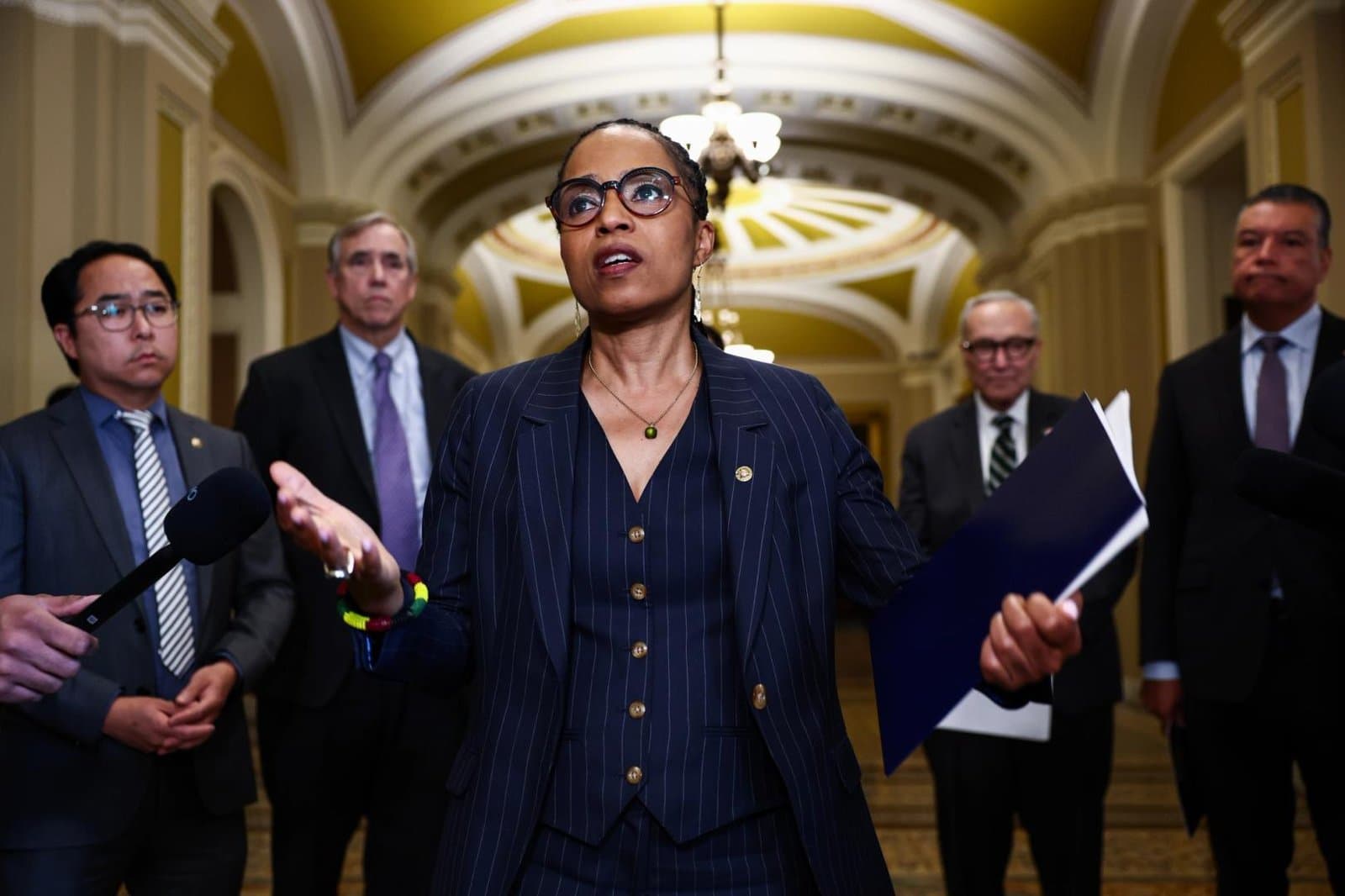
"This DOJ enforcing an ethics provision? That's an unserious offer, and I wouldn't support the bill if that's the language." That's Senator Angela Alsobrooks, one of the few Democrats who voted for the Digital Asset Market Clarity Act in committee, reacting to the draft text that began circulating on Capitol Hill on Wednesday. Her words landed before the bill was even officially published, and they captured the core tension that has dogged this legislation for months.
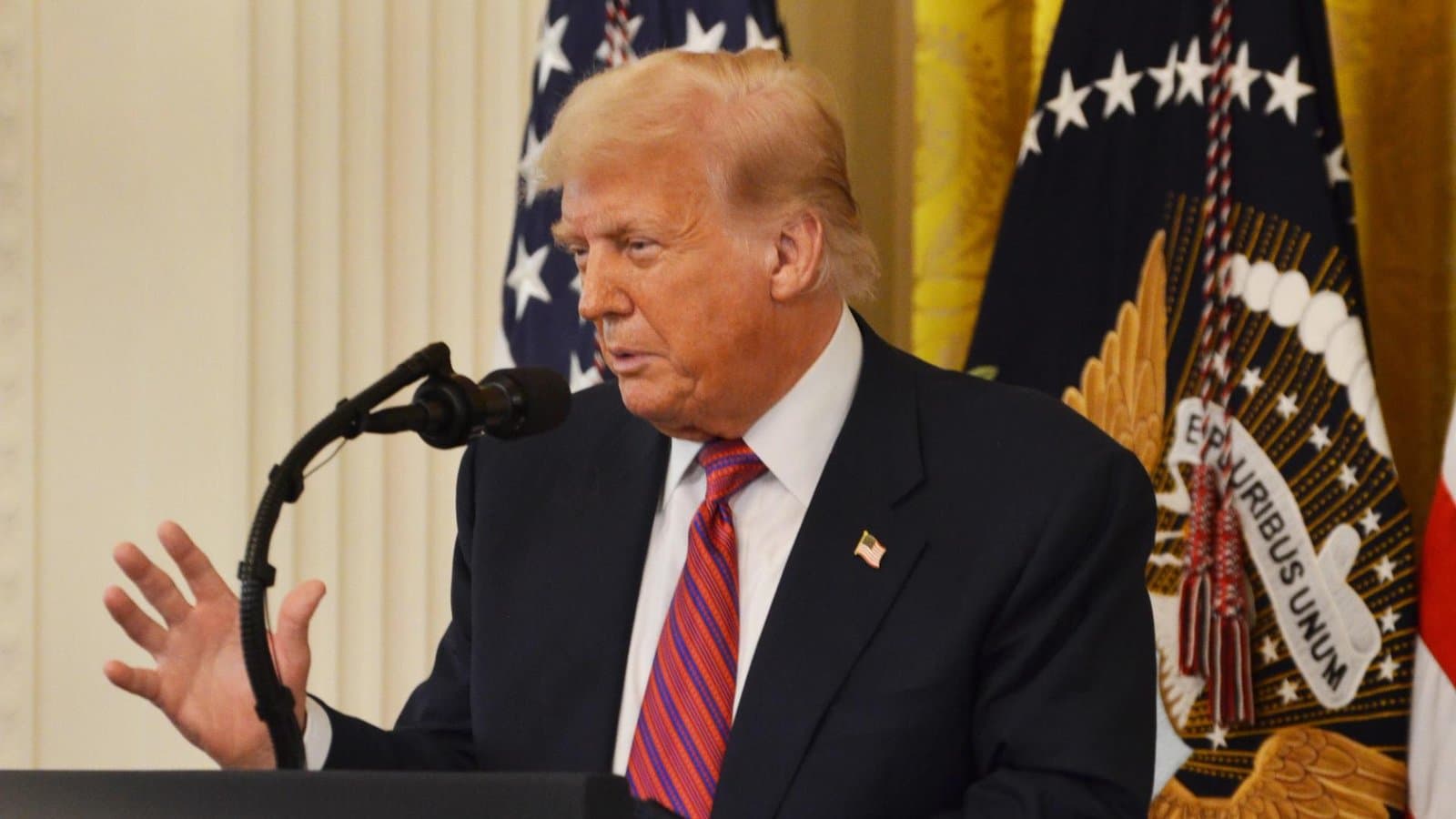
The latest working draft of the Clarity Act, posted by Punchbowl News, runs to hundreds of pages and finally includes the conflict-of-interest section that negotiators had been fighting over. Under the proposed language, President Donald Trump and other senior government officials would face direct restrictions on their crypto involvement. The provision is set to expire in 2029, and regulators would have one year from enactment to put the rules in place. Enforcement would fall to the Department of Justice, a choice that Alsobrooks and other Democrats find far too convenient given the current political alignment at that agency.
The Senate has only days left before its summer recess, which makes the timeline brutally tight. Republicans need at least 10 Democratic votes to clear the chamber's 60-vote threshold for most legislation, and several Democrats were already signaling discomfort before they had even seen the full text. Crypto industry insiders were briefed on the bill's details first, while Democratic lawmakers were still waiting for their copies when the draft began making the rounds. Senator Cynthia Lummis of Wyoming, a leading Republican negotiator on the bill, issued a statement as the draft circulated, though the substance of her remarks was not yet fully available at the time of writing. The deal on the ethics section reportedly came together after direct talks with Trump himself, which only adds to the skepticism among Democrats who see the DOJ-enforcement model as a way to defang the provision before it ever takes effect.
Trump's crypto exposure is extensive. His family's World Liberty Financial project and the TRUMP meme coin together represent a level of presidential involvement in the digital asset market that has no real precedent, which is precisely why the ethics clause became the bill's biggest remaining sticking point. A sunset date of 2029 means the restrictions would lapse before the next presidential term is fully underway, a detail that critics are unlikely to let slide quietly.
This article is for informational purposes only and does not constitute financial or investment advice.