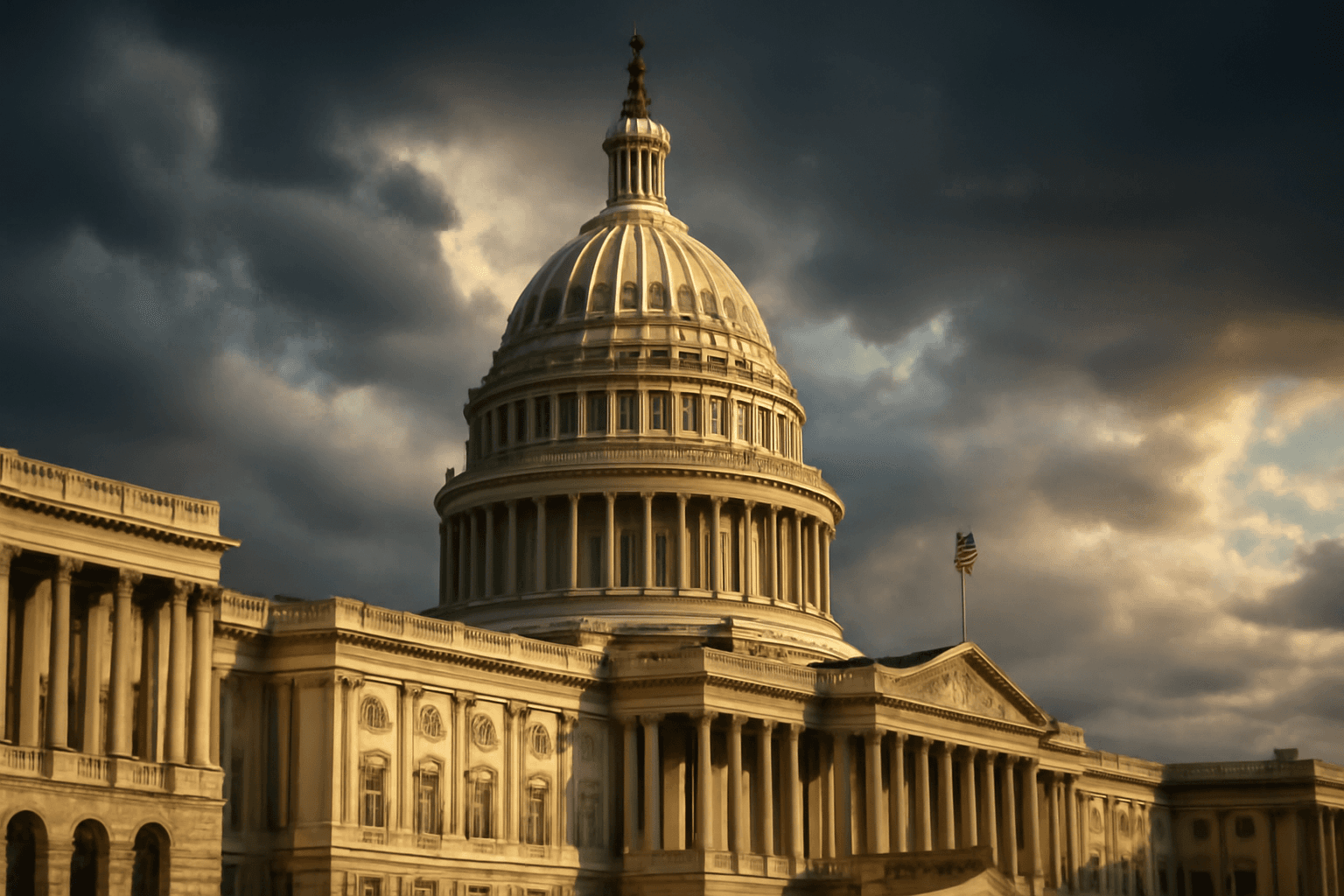
“It’s time for Congress to hear from America’s crypto voters,” urged the Blockchain Association as the Senate edges closer to its August recess without securing the key 60 votes needed to advance the CLARITY Act. With just days remaining, the legislation remains in limbo, caught in a gridlock where support among Republicans appears solid, but Democratic backing remains uncertain and key.
Current assessments from crypto policy observers peg confirmed or likely yes votes at around 51, leaving a significant gap to reach the supermajority threshold. While some Republican senators push for a floor vote regardless of last-minute Democratic support, several Democratic senators who initially seemed open to the bill have expressed reservations. Their concerns focus on lingering issues around consumer protections, anti-corruption measures, and rules governing conflict of interest, which critics argue the bill still insufficiently addresses.
Senator Cynthia Lummis, one of the bill’s most vocal advocates, emphasized its importance in clarifying when digital assets cease to be classified as securities. She highlighted how the bill’s definition of “ancillary assets” aims to provide much-needed regulatory certainty, potentially preventing innovation and investment from migrating overseas due to prolonged ambiguity. The stakes are high, as the crypto industry watches closely, hoping for a resolution that could set a precedent after years of uncertainty since the Howey test first raised questions about digital assets’ legal status.
The pressure mounts as this legislative standoff unfolds, echoing broader regulatory challenges seen recently, such as the CFTC tightening rules on prediction markets. The outcome of the CLARITY Act vote will likely shape the US crypto landscape for years to come, determining whether the Senate can deliver the legal clarity that the sector has long demanded before lawmakers break for recess.