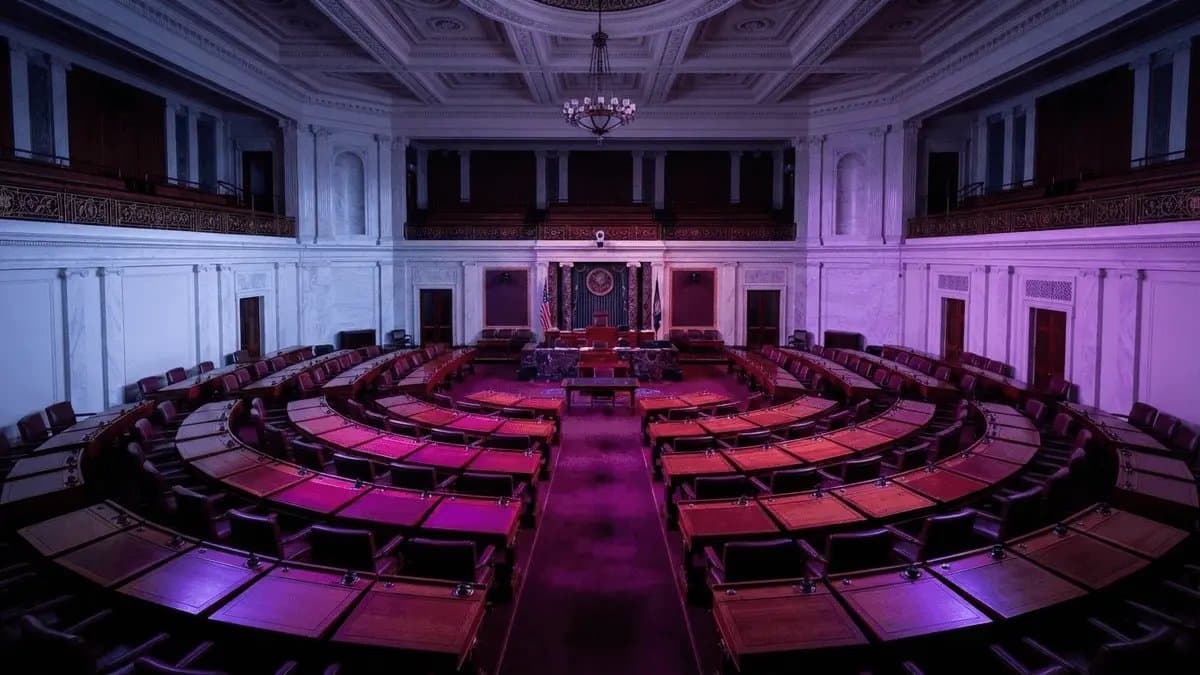
Senate Democrats are refusing to support the revised CLARITY Act, and the sticking point is a single enforcement clause: the bill's current draft would hand ethics oversight exclusively to the Department of Justice, cutting out other regulators entirely. Democrats called that approach "unserious," and for now the legislation is stuck.
Where the Talks Broke Down
Majority Leader John Thune had been pushing for a floor vote before the August recess, a tight window that's now in serious doubt. The revised CLARITY Act was meant to be a bipartisan compromise on crypto market structure, but Democrats say handing DOJ sole authority over ethics enforcement strips away the checks that other agencies would normally provide. No alternative enforcement language has been agreed upon yet.
The core complaint from the Democratic side is structural. A DOJ-only model means no SEC or CFTC involvement in policing conflicts of interest among crypto insiders, which critics argue creates a much narrower accountability net than traditional financial markets operate under. Given recent controversies around crypto-linked political figures, that gap looks especially uncomfortable to skeptics in the Senate.
What's Still on the Table
The CLARITY Act itself covers broader crypto market structure questions, including which assets fall under SEC jurisdiction versus CFTC oversight. That framework has had some bipartisan support. The ethics enforcement piece is specifically what's causing the current freeze. Negotiators from both sides haven't publicly named a fallback plan, and with recess approaching, the calendar pressure is real.
- DOJ-only ethics enforcement: the clause Democrats reject
- August recess deadline: Thune's original target for a floor vote
- SEC and CFTC exclusion from oversight: the core Democratic objection
If no deal is reached before recess, the bill could sit idle for weeks, giving opponents more time to organize and reducing momentum heading into fall. The crypto industry, which has been lobbying hard for a clear regulatory framework, now faces an uncertain timeline on legislation it has treated as a priority this session.
This article is for informational purposes only and does not constitute financial or legal advice.