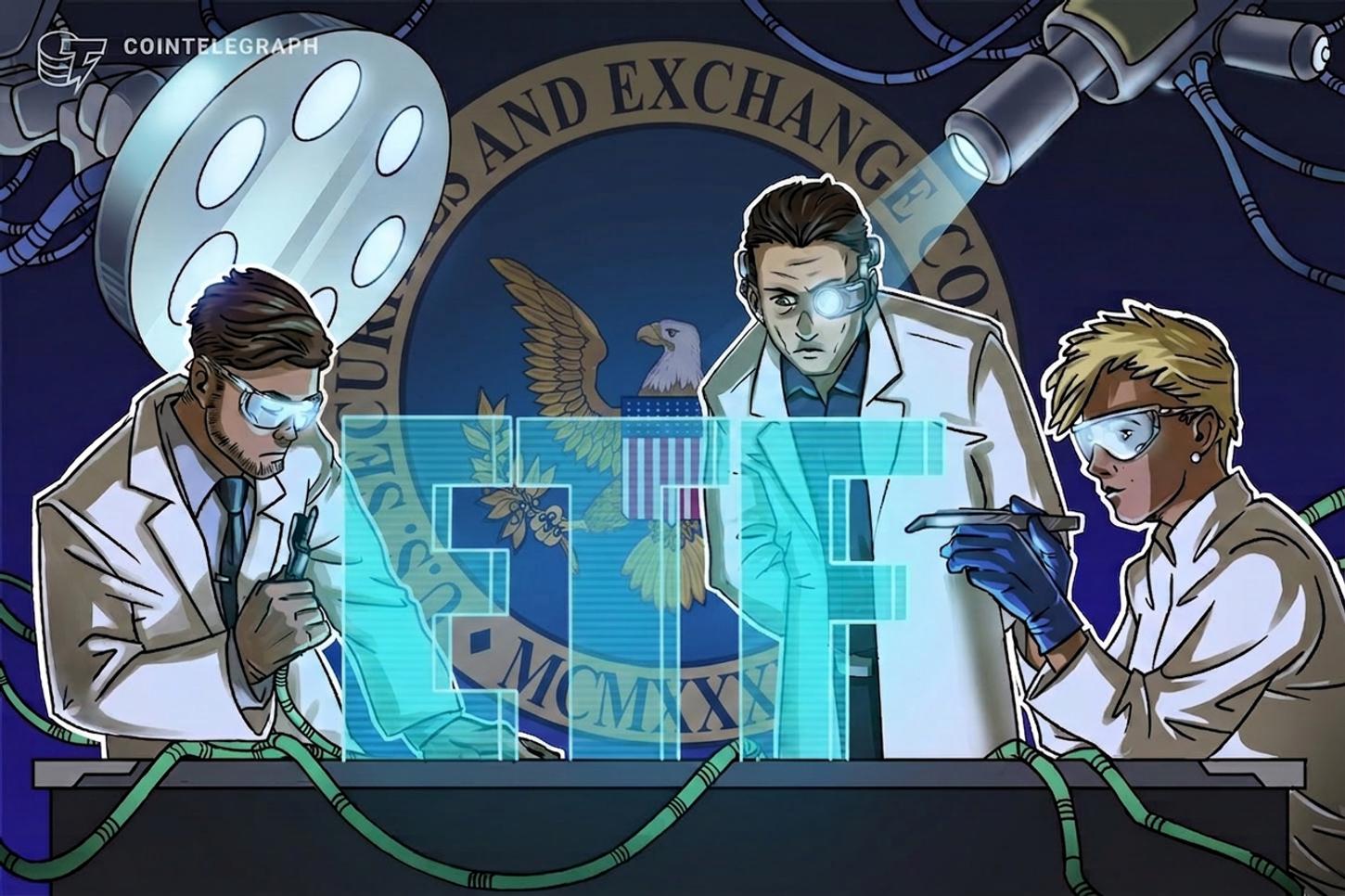
SEC Opens Public Feedback Process on Rules for New-Generation ETF Products
The SEC has launched a public comment process to gather input on how emerging ETF structures and increasingly specialized investment strategies should be regulated. The initiative comes as issuers rapidly expand their product offerings.
The U.S. Securities and Exchange Commission has launched a public comment initiative aimed at gathering input on how to properly regulate a new wave of exchange-traded funds. As issuers continue to introduce increasingly specialized and complex ETF products, the agency is seeking guidance from market participants, industry experts, and the general public on how emerging fund structures and investment strategies should be governed.
The move reflects growing pressure on regulators to keep pace with rapid innovation in the ETF space. Over recent years, the market has seen a surge in novel product types — from leveraged and inverse ETFs to cryptocurrency-based funds and actively managed vehicles with complex derivatives exposure. These products raise unique questions about investor protection, disclosure requirements, and systemic risk.
By opening the floor to public comment, the SEC is signaling that it wants a broad range of perspectives before crafting any new regulatory framework. This approach is consistent with standard rulemaking procedures, but the scope of the inquiry suggests the agency is preparing for potentially significant policy changes affecting how next-generation ETFs are approved, monitored, and sold to investors.
Industry observers note that the timing is significant. The ETF market has grown to encompass trillions of dollars in assets globally, and new product launches continue at a rapid pace. Issuers are constantly pushing boundaries with innovative strategies that don't always fit neatly into existing regulatory categories.
The public comment period gives stakeholders — including asset managers, financial advisors, retail investors, and advocacy groups — the opportunity to weigh in on key questions: What disclosures should be required for complex ETF structures? How should leverage and derivatives exposure be treated? What safeguards are needed to protect retail investors from products they may not fully understand?
The SEC's decision to proactively seek input rather than wait for problems to emerge is being viewed positively by many in the industry. However, some issuers are watching closely, concerned that overly restrictive rules could stifle innovation and limit investor choice in a market that has become a cornerstone of modern portfolio management.
No specific regulatory proposals have been published yet, but the feedback collected during this process is expected to inform future rulemaking. Market participants are encouraged to submit their comments through the SEC's official channels within the designated timeframe.