The SEC has agreed to pay $150,000 and hand over remaining records to settle a federal Freedom of Information Act lawsuit that exposed widespread document deletion inside the agency. A joint status report filed July 22 with the U.S. District Court for the District of Columbia confirmed the deal, which also calls for dismissal of the case once final document production wraps up.
What the lawsuit actually uncovered
History Associates Inc., a firm specializing in historical research and archival services for government bodies, brought the suit in June 2024 on behalf of Coinbase. The underlying records requests, submitted in 2023, targeted SEC investigations into Zachary Coburn and Enigma MPC, plus agency documents relating to Ethereum's transition from proof-of-work to proof-of-stake. The SEC failed to respond adequately, which triggered the litigation.
The case pulled thousands of documents out of the agency and pushed the court to explicitly order the SEC to prioritize all records involving then-Chair Gary Gensler that touched on Ethereum's migration. Then, in September 2025, the SEC's own Inspector General confirmed the agency had accidentally deleted Gensler's text messages covering October 2022 through September 2023, a stretch that overlapped directly with the peak of the agency's anti-crypto enforcement push. Later filings revealed 21 phones belonging to senior officials had been wiped, five of them belonging to the same staff members at the center of the Coinbase case. The SEC notified the National Archives about the deleted devices in July 2025.
How Coinbase and others responded
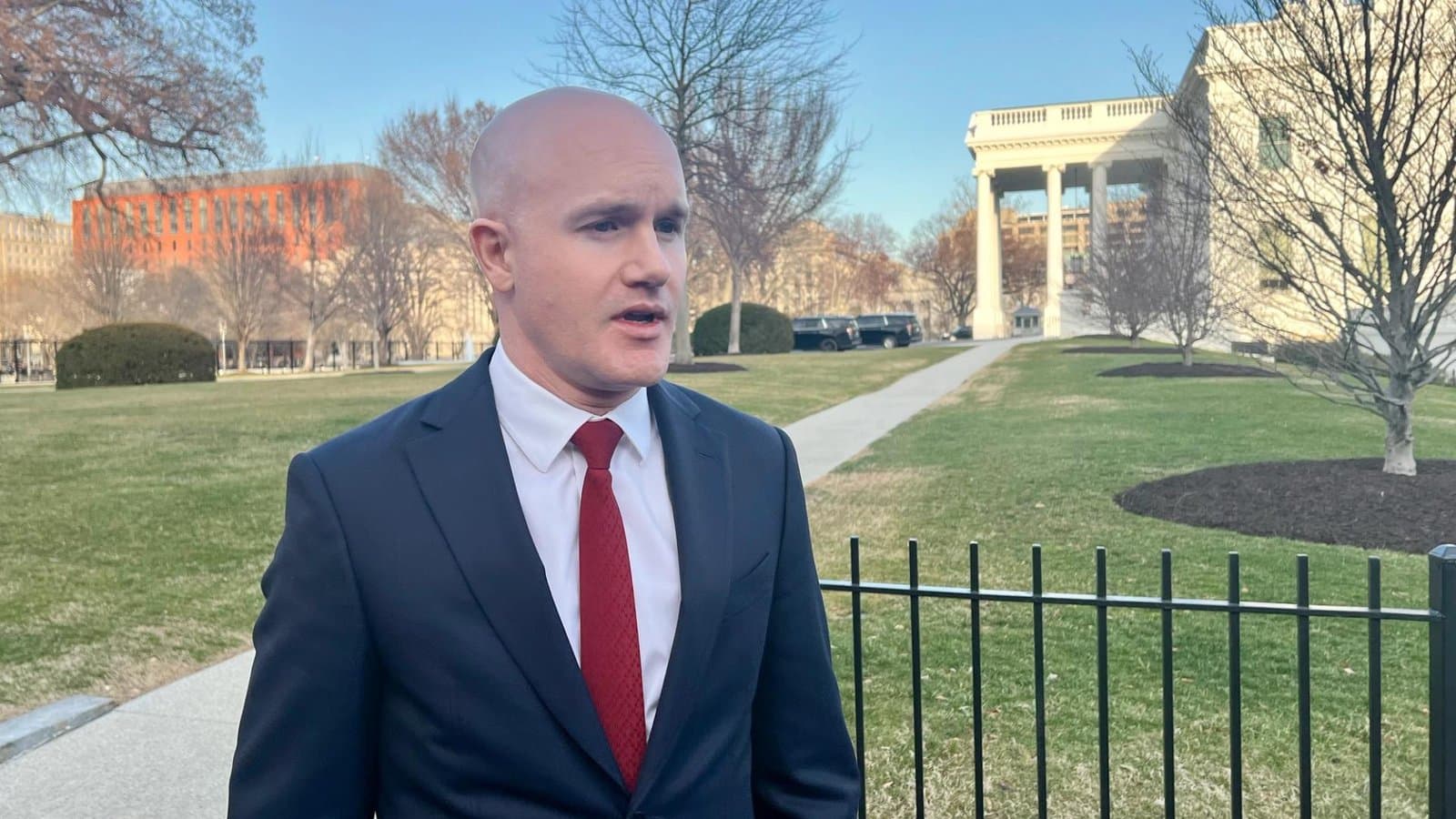
Coinbase CEO Brian Armstrong connected the settlement to a broader pattern, pointing to the industry's shifting regulatory fortunes and citing a parallel FDIC case involving buried evidence from the 2023 banking crisis. "The Gensler SEC deleted texts at the height of the anti-crypto campaign," Armstrong wrote, framing the $150,000 payout as a public confirmation of what the industry had long suspected about the agency's conduct during that period.
The settlement covers the plaintiff's legal fees with a flat payment rather than itemized reimbursement. The SEC does not admit wrongdoing as part of the agreement, but the paper trail assembled during two years of litigation already documents the deletions on the record. Production of the outstanding responsive documents must be completed before the court formally closes the case.
This article is for informational purposes only and does not constitute financial or legal advice.