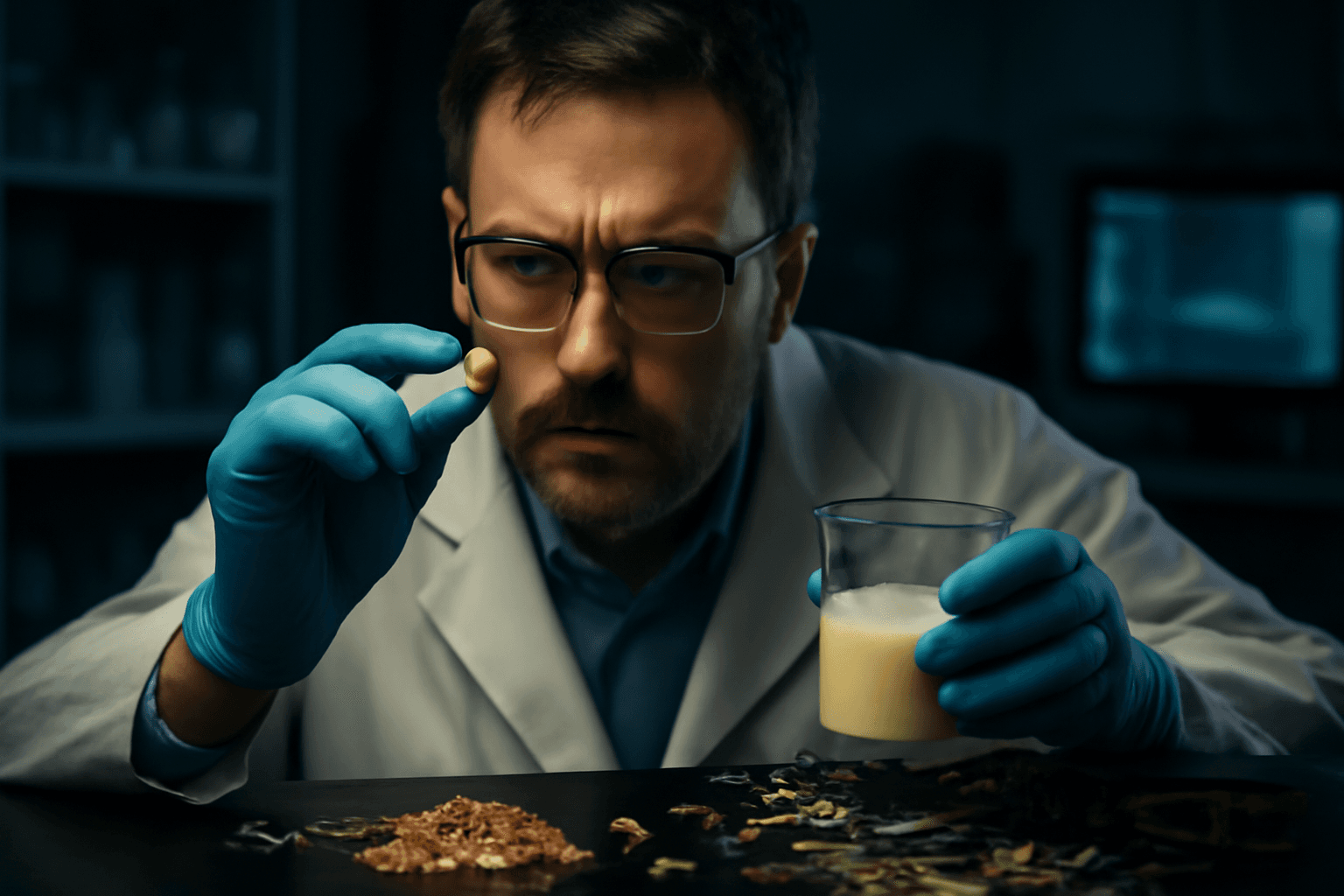
In March 2024, ETH Zurich scientists unveiled a novel way to retrieve gold from electronic waste using a material derived from cheese production.
The team, led by Professor Raffaele Mezzenga, developed a sponge-like aerogel made from whey protein, a byproduct of cheesemaking, capable of selectively capturing gold ions from acid-dissolved circuit boards.
In lab experiments, this porous aerogel absorbed gold at a rate of 166.7 milligrams per gram, enabling researchers to reclaim a 450-milligram 22-carat gold nugget from metal scraps taken from 20 discarded computer motherboards.
Such breakthroughs arrive as the world grapples with mounting electronic waste, which reached approximately 61.3 million tons in 2023.
The process begins by denaturing whey proteins under acidic, heated conditions, creating nanofibrils that are then dried into an amyloid aerogel. This material acts like a sponge, selectively attracting gold ions from a mix of dissolved metals, capturing up to 93% of the gold in solution and accumulating gold content up to 20% of its own weight.
Recovering gold from e-waste has traditionally been costly and environmentally harmful. This new method could reduce recycling expenses by as much as fifty times and offers a sustainable way to turn food industry waste into valuable material for metal recovery.
Given the rapid growth of electronic waste, innovations like this open new avenues for scalable, eco-friendly recycling.