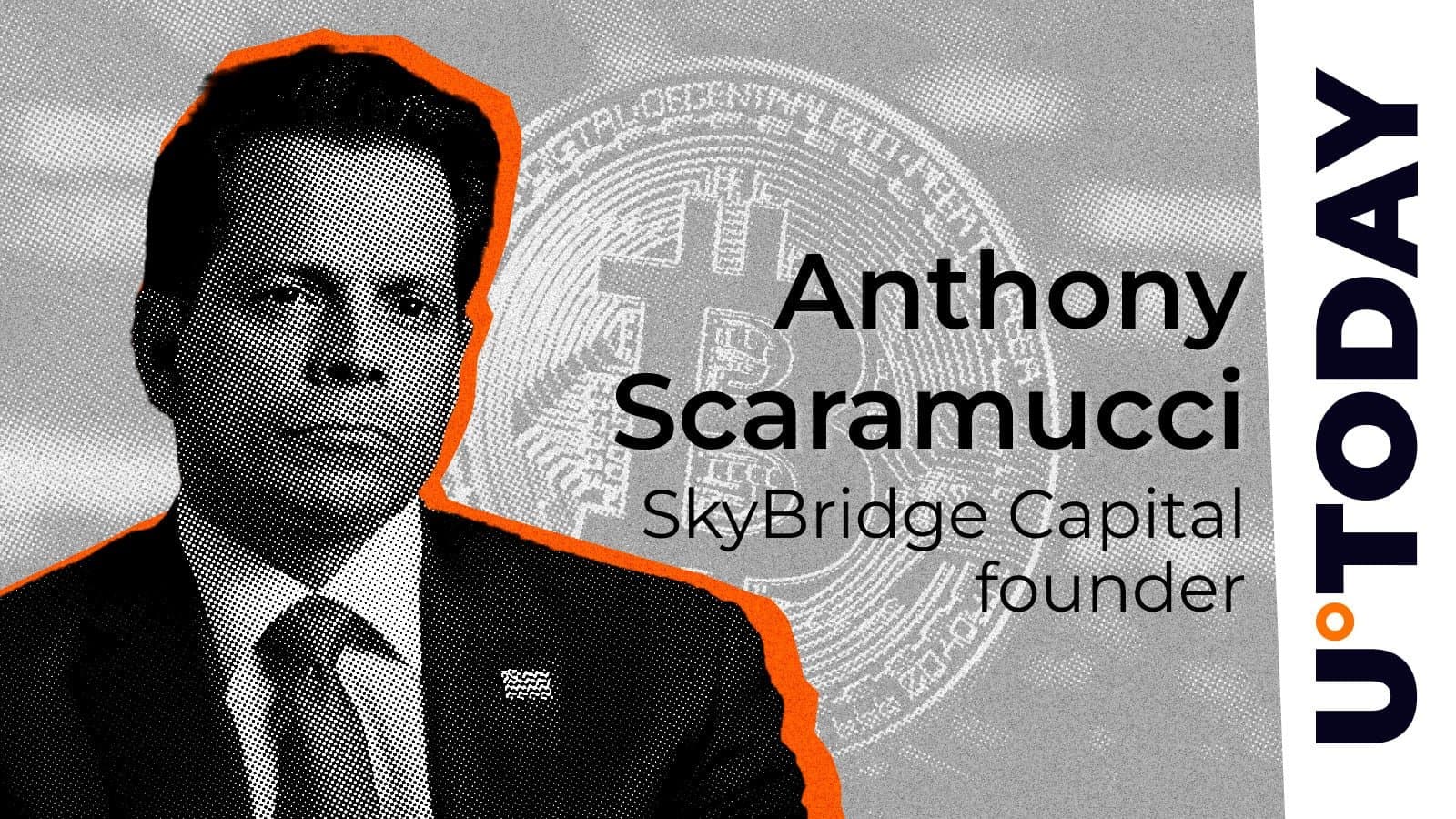
The Clarity Act, designed to bring order to the chaotic US crypto market, is gaining support despite ongoing delays in Congress. Anthony Scaramucci, founder of SkyBridge Capital, recently praised the bill, calling it a significant improvement over the current state of regulatory confusion commonly described as the crypto 'Wild West.'
Compromise Over Perfection
Scaramucci emphasized that while the bill isn’t perfect, it represents a meaningful compromise between lawmakers. According to him, Democrats and Republicans have both made concessions to advance the legislation, particularly on ethics and enforcement provisions. This pragmatic approach, he argues, should be seen as a victory rather than dismissed due to unresolved issues.
The bill includes ethics rules aimed at preventing government officials from profiting from crypto activities while in office. These provisions have evolved through negotiations between Democrats, Republican senators, and the White House. For example, the updated draft bans covered officials from issuing tokens or securing crypto-related sponsorships during their tenure, a move toward increased transparency.
Legislative Delays and Industry Impact
Despite progress, the Clarity Act faces delays, mainly due to disagreements over enforcement and investor protection measures. Some Democrats remain unsatisfied with the current ethics safeguards and are pushing for stronger protections for investors. Senate Majority Leader John Thune has indicated that the bill is unlikely to pass before the August recess.
Market sentiment reflects these hurdles. The probability of the bill becoming law this year has dropped to 38%, down from 78% in May, according to Polymarket bettors. This drop signals growing frustration within the crypto industry as regulatory uncertainty persists.
The Clarity Act’s fate remains uncertain, but Scaramucci’s backing highlights the importance of incremental progress over stalemate. The bill could set a foundation for clearer crypto regulations in the US, potentially stabilizing the market and reducing risks for investors and innovators alike.