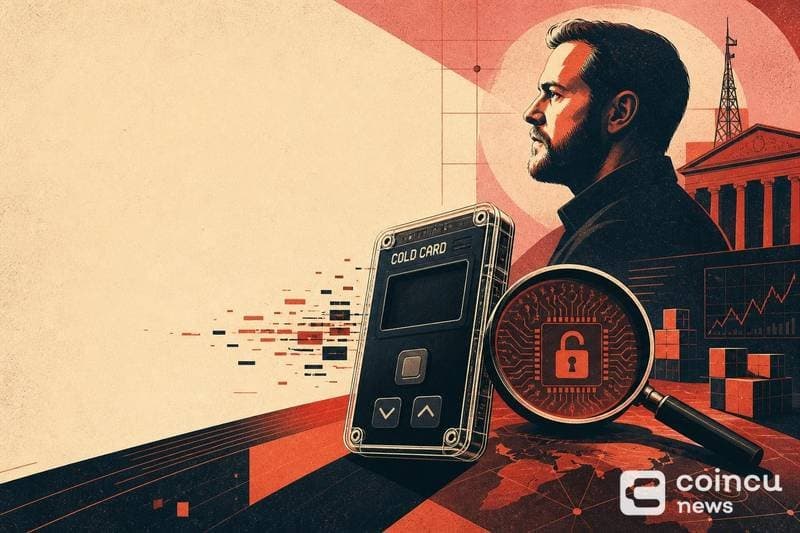
Fraudsters are flooding Europe with fake regulator calls and phishing emails, pretending to be authorized under the EU's new MiCA framework. The scam wave picked up speed after the Markets in Crypto-Assets regulation kicked in, forcing over 1,700 unlicensed platforms to shut down or migrate users elsewhere. That chaos created the perfect hunting ground for bad actors.
Cryptocurrency users moving their assets off defunct exchanges became easy targets. Scammers impersonate both regulators and legitimate crypto firms, using forged documents and social engineering to convince victims to send money to fraudulent wallets. Blockchain analytics firms report impersonation scams are now one of the fastest-growing categories of crypto crime across the continent.
The migration trap
When MiCA forced unlicensed players like Knaken to close their doors, millions of retail investors had to relocate holdings. Even Binance, the world's largest exchange, failed to secure an EU-wide license. That forced movement of assets created a window of vulnerability. Users confused about where to send their coins, unsure which platforms were legitimate, became prey. Attackers harvest these moments. They send emails that look official. They build websites that mirror real ones. They use phone numbers that seem authentic.
The European Supervisory Authorities warned consumers back in 2025 to double-check whether a crypto service provider is actually listed as authorized under the new framework. But warnings alone don't stop determined scammers. France took a different approach, deliberately avoiding an aggressive migration deadline to give users more breathing room and reduce panic transfers.
Crypto holders now face a simple rule: never move funds without independently verifying the request. Check the official regulator database. Call the company directly using a number from their website, not from any email. If something feels rushed or urgent, it probably is a scam.
This article is for informational purposes only and should not be considered financial or investment advice. Always conduct your own research before making decisions about cryptocurrency assets.