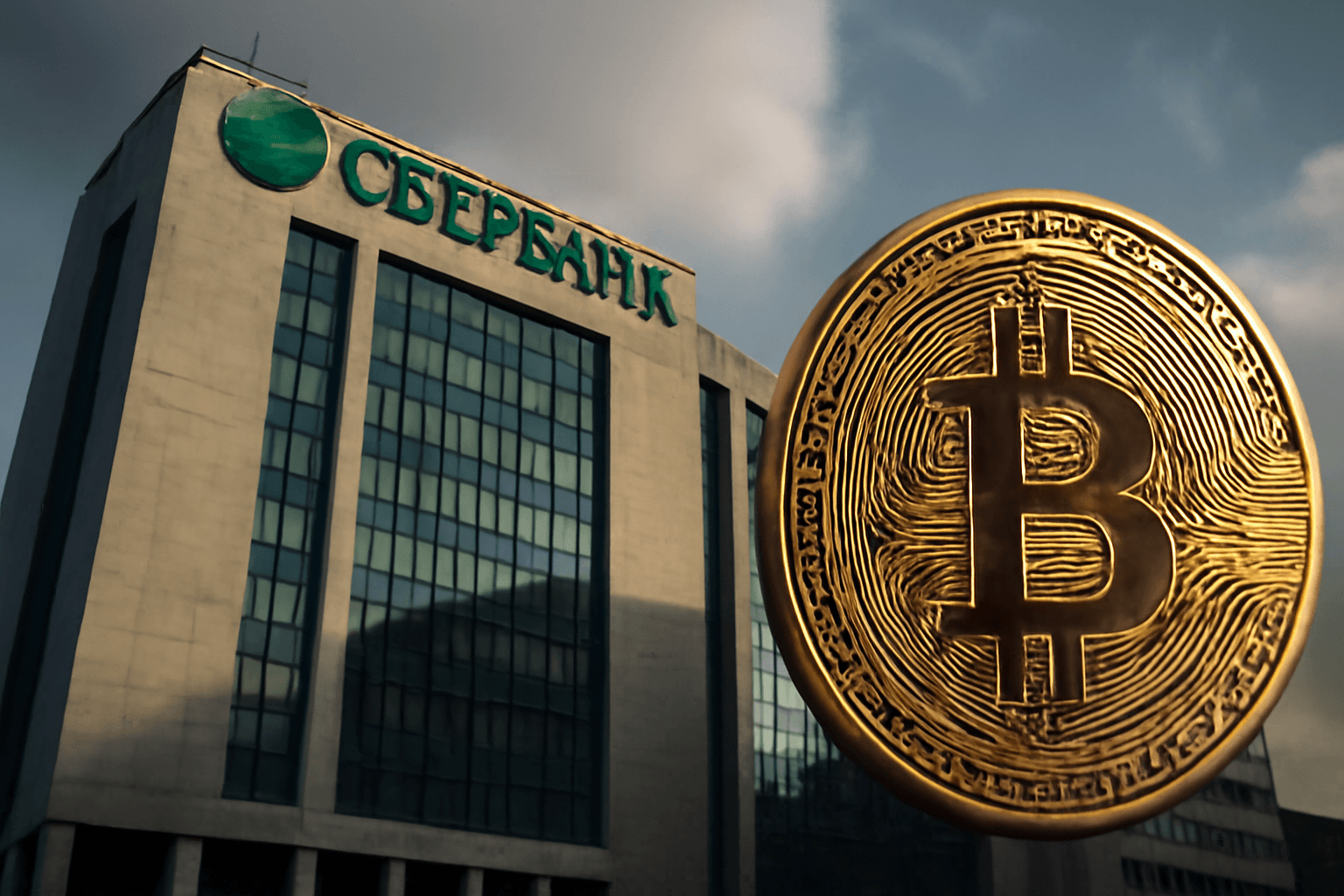
Sberbank, Russia’s largest banking institution, is gearing up to enter the cryptocurrency space with plans to roll out trading and digital custody systems by December 1, 2026. This move is part of the evolving regulatory landscape that will govern digital assets across the country.
The bank’s upcoming digital custody platform will manage client cryptocurrency holdings and process a high volume of transactions off-chain, ensuring efficiency without relying on public blockchains. Sberbank will also provide hot wallets to facilitate deposits, withdrawals, and transfers for its clients. Alexander Vedyakhin, the bank’s first deputy chairman, confirmed that the institution aims to have all technological groundwork and digital depository operations fully operational before the year closes.
Russia’s Digital Asset Regulation Timeline
New rules for cryptocurrencies in Russia take effect on September 1, 2026. The framework covers trading venues, intermediaries, banks, and custody services. Licensed operation must begin by July 1, 2027, giving entities ten months to comply. Under these regulations, both accredited and non-accredited investors can legally purchase approved digital assets, but they are subject to different rules.
Retail investors without accreditation must complete educational tests before they can buy digital assets and will face a strict annual limit of 300,000 rubles through a single authorized intermediary. Accredited investors will also be tested but can access a broader range of digital assets and do not face the same purchase caps.
The regulation restricts digital assets available on public exchanges to those meeting stringent liquidity and capitalization thresholds. also commercial crypto transactions within Russia will remain prohibited, signaling a cautious approach to certain aspects of digital asset use.
The new regulatory environment is designed to offer a controlled yet accessible path for retail participation in digital finance. Sberbank’s initiative to develop underlying infrastructure reflects how major financial players are positioning themselves for this anticipated market shift.