Satsuma Technology is winding down its Bitcoin treasury operation and returning somewhere between £27m and £30m to shareholders who put in £163.6m just last year. That works out to roughly 18 pence on the pound, a loss that would have been hard to model even in a bearish scenario when the raise closed in 2025.
The company built its strategy on convertible debt, a structure that works elegantly when an asset keeps climbing but becomes a trap the moment sentiment turns. When Bitcoin's price started sliding, the mechanics of that debt began eating into the capital base faster than most retail shareholders understood. By the time the damage was visible on the balance sheet, there was little left to protect.
How the Structure Backfired
Convertible notes gave early institutional participants a cushion: they could convert into equity at a premium or demand repayment in cash. When Bitcoin dropped, most chose cash. That outflow drained the treasury at the worst possible moment, locking in losses that compounded as the asset continued falling. The remaining holders, largely retail investors who came in during the fundraise, were left with whatever survived the redemptions.
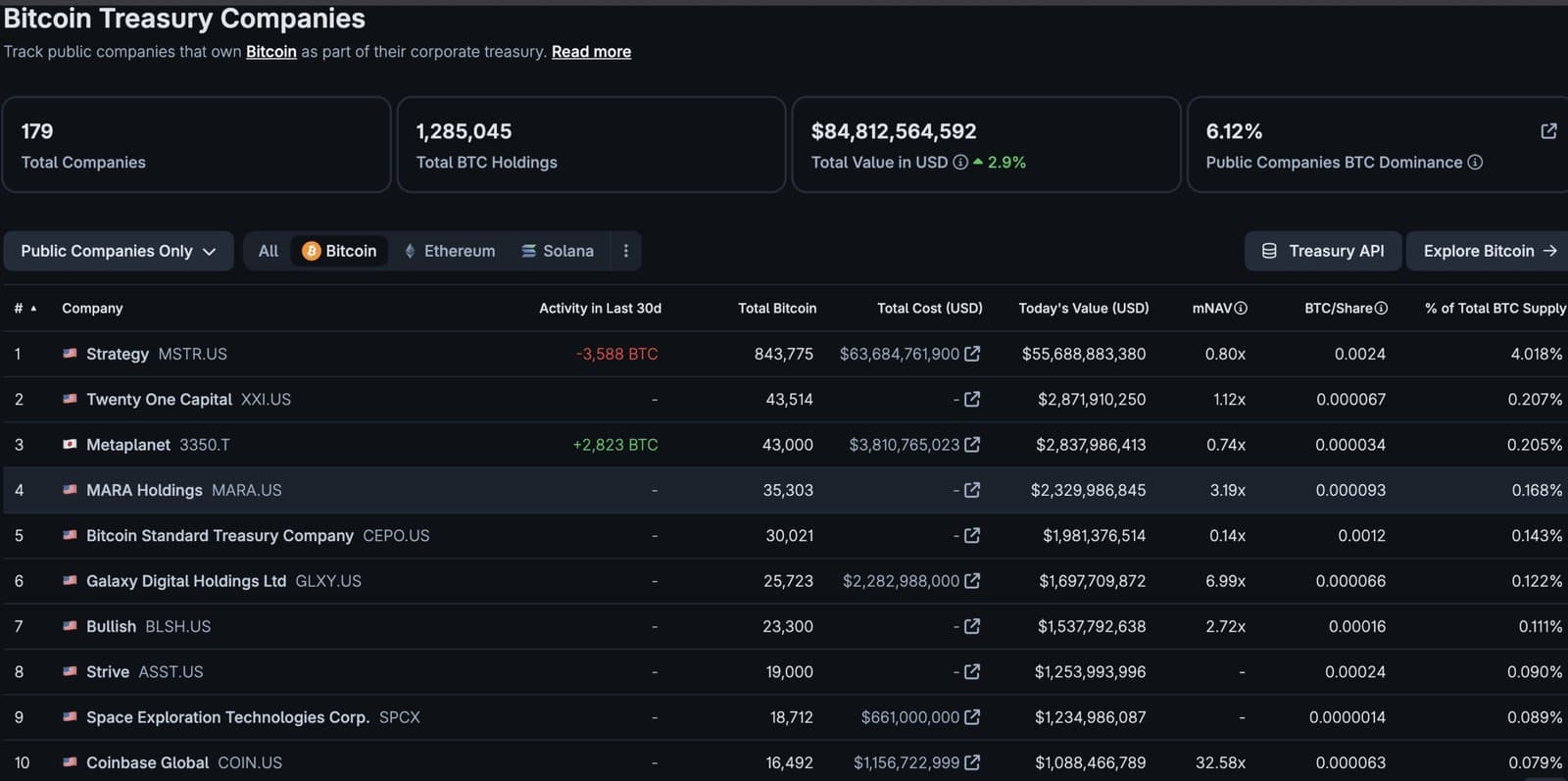
The Satsuma collapse is a sharp reminder of what corporate crypto treasury strategies actually look like under stress. MicroStrategy has spent years making the model famous, but it has also benefited from a longer runway, a larger balance sheet, and tighter control over its debt covenants. Satsuma had none of that buffer. The gap between raising capital in a bull market and surviving a drawdown proved to be the entire business.
For anyone watching the broader market, the timing matters. CryptoQuant recently flagged that ETH is sitting at historic lows against BTC, suggesting the current environment is still punishing altcoin-adjacent strategies, and companies betting on crypto appreciation without hedges are running out of room. Satsuma's shareholders are now the clearest example of what that looks like at the end of the road.
The company has not yet confirmed a precise return figure. The £27m to £30m range depends on how remaining Bitcoin positions are liquidated and what legal and administrative costs get deducted before any distribution reaches shareholders. In practice, that number could still move lower.
This article is for informational purposes only and does not constitute financial advice or a recommendation to buy or sell any asset.