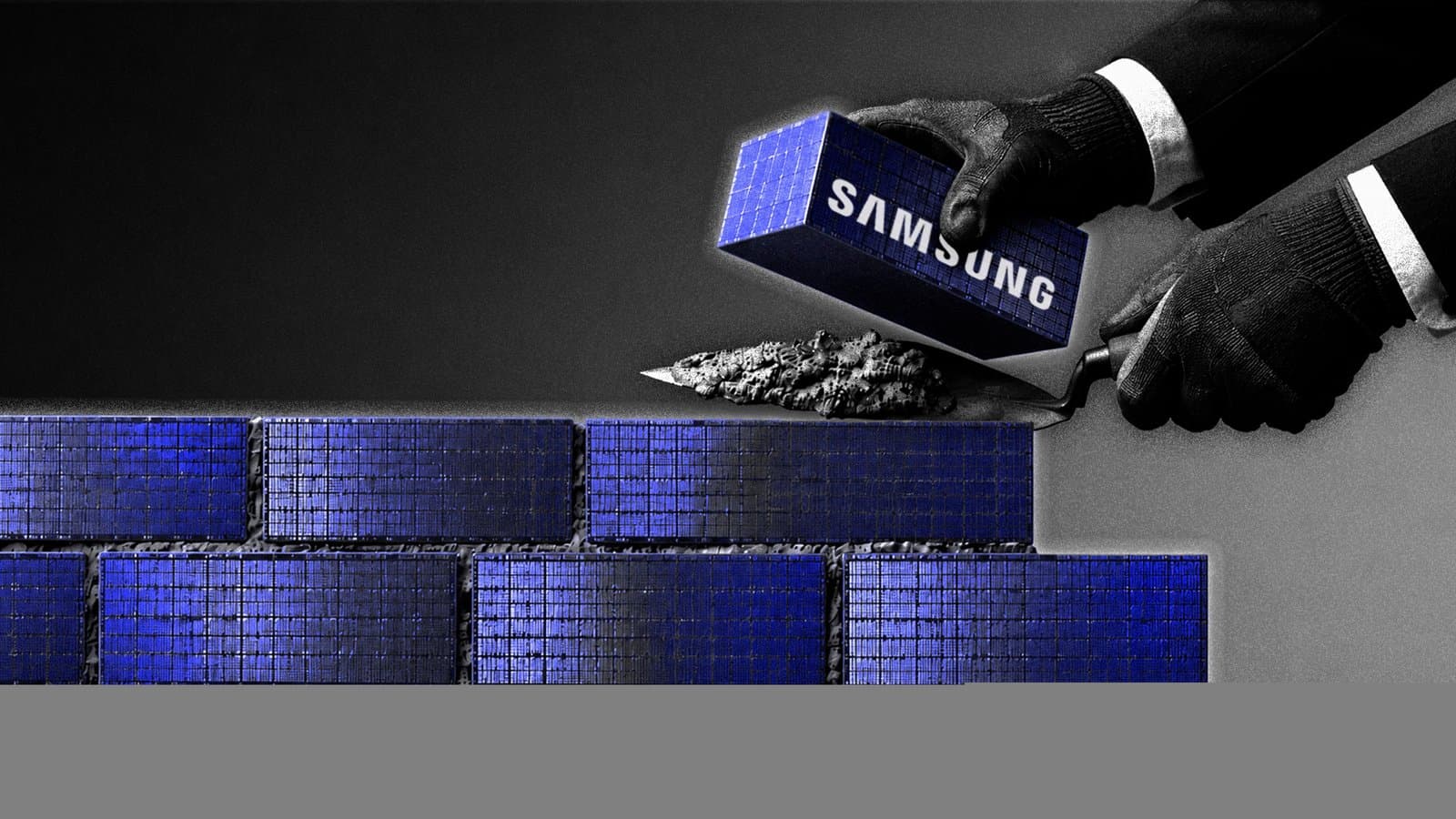
Samsung Electronics reported a staggering operating profit of 89.5 trillion won ($62 billion) for the second quarter, marking an 1,814% increase year over year. This explosive growth was fueled by soaring demand for AI-related memory chips, pushing the company's revenue to a record 171.5 trillion won, a 28% rise from the previous quarter.
Memory Chips Powering the Surge
The Device Solutions division, which houses Samsung’s memory chip business, saw its quarterly sales jump by 56%. Both revenue and operating profit for this unit hit all-time highs as Samsung focused on server products tailored to AI workloads. Server-related chip sales now make up a record share of Samsung's chip portfolio.
Samsung also ramped up production of HBM4, a high-bandwidth memory chip critical for AI processors, and shipped the first samples of its next-generation HBM4E chip to key customers. The company anticipates that demand for server memory and high-bandwidth chips will accelerate through the latter half of 2026, reflecting broader growth in AI infrastructure investment.
Market Response and Outlook
Despite the strong results, Samsung's stock dropped over 12% following the earnings release, mirroring a nearly 20% tumble in SK Hynix shares. Traders appeared to be scaling back AI-related bets amid concerns that profit expectations might have overshot reality. SK Hynix also posted record profits but fell short of analyst estimates.
Analysts like MS Hwang from Counterpoint highlight that Samsung is leveraging its memory strength to expand its influence across other business areas. The ongoing boom in AI memory chips is expected to continue as data center operators keep expanding capacity, though recent market volatility shows some skepticism about the sustainability of this momentum.
This content is for informational purposes and does not constitute financial advice.