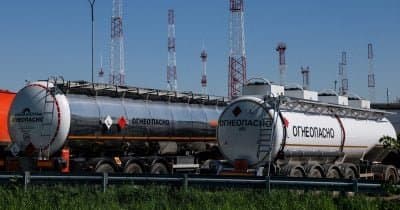
Russia is preparing to end its diesel export ban sooner than expected after domestic fuel supplies showed signs of recovery. Deputy Prime Minister Alexander Novak announced this shift, signaling that the market has calmed enough to allow shipments abroad again.
The export freeze started on July 8, aiming to last until the end of the month. It was imposed after Ukrainian drone attacks hit several Russian refineries, denting processing capacities and causing local diesel shortages. These disruptions pushed domestic prices higher and stirred public discontent over fuel availability.
By June 2026, exports had already plunged to about 426,000 428,000 barrels per day, a sharp drop that undercut Russia’s standing as a major diesel supplier. To ease the domestic crunch, the government took the unusual step of importing diesel, highlighting how strained the local market had become.
The impact was felt far beyond Russia’s borders. Diesel futures in the US jumped 11%, while European gasoil contracts soared 13% as traders reacted to tightening supplies. This mirrors a similar episode in September 2023 when an export ban on gasoline and diesel also caused a brief spike before inventories recovered and exports resumed.
Initially, there were signs the ban might extend past July 31, but Novak’s recent comments suggest conditions improved rapidly in the final days. This turnaround points to a quicker-than-anticipated market rebound, allowing Russia to lift restrictions and start exporting diesel again.