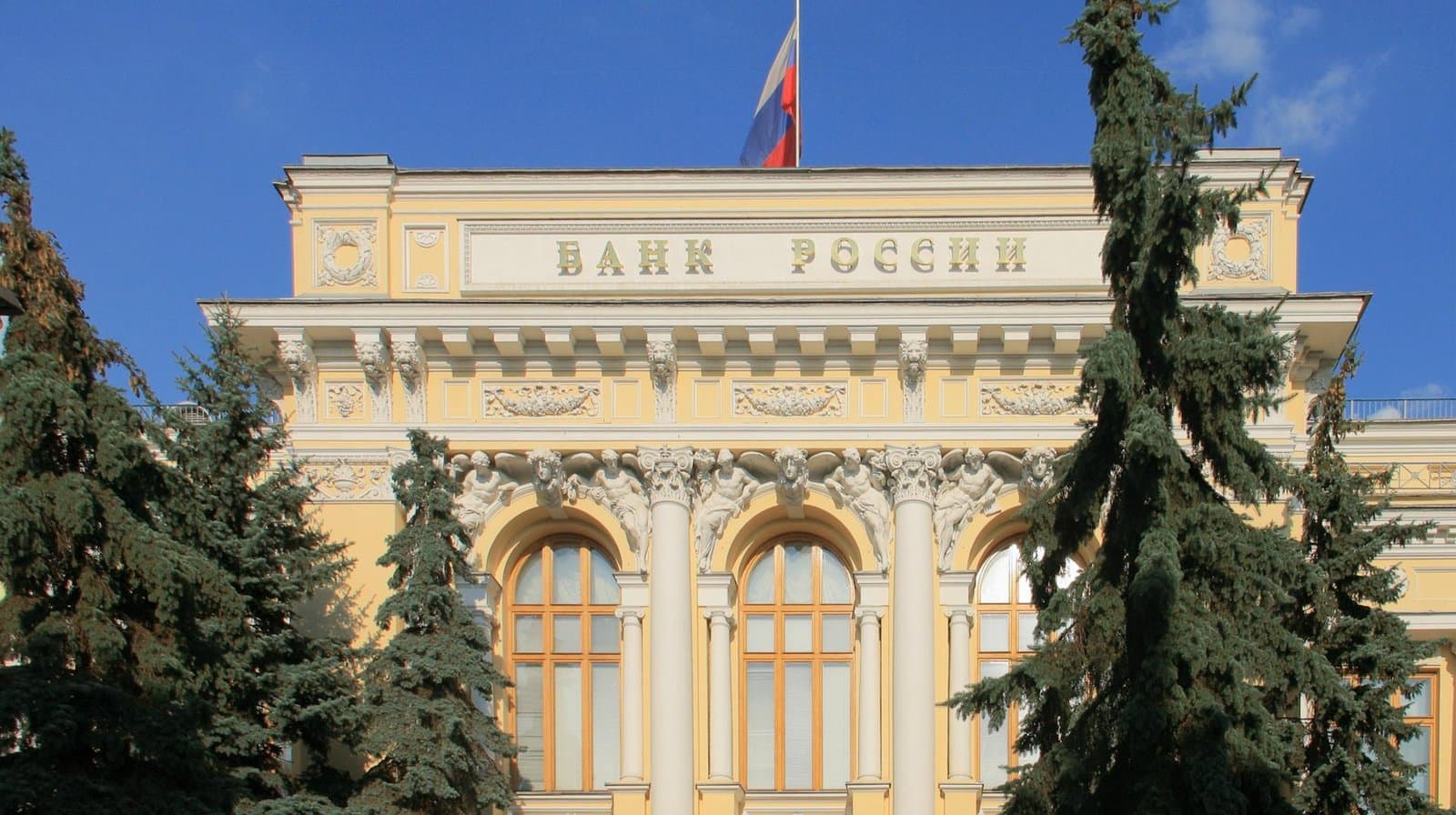
Imagine a crypto firm in Moscow getting ready to secure millions of dollars worth of digital coins. They now might have to hold up to $2.8 million in liquid capital just to operate legally. This is part of a fresh set of rules the Bank of Russia has put forward, gearing up for a broader regulatory framework planned for September.
The draft regulations aim to create a system resembling the traditional securities market but tailored for digital assets like cryptocurrencies. At the heart of this is the formation of “digital depositories” official entities responsible for keeping track of crypto holdings and ensuring transparency and security.
These digital depositories will face tiered capital requirements based on their activities. Some will need 50 million rubles (about $570,000), others up to 250 million rubles ($2.8 million). For instance, those involved in settling transactions directly must meet the highest threshold, while firms just controlling crypto addresses or collaborating with foreign custodians have somewhat lower bars.
Another critical detail is that the assets counted toward these capital requirements must be liquid and qualify under strict credit standards set by the central bank. This move aims to prevent shaky financial practices and improve trust in Russia’s emerging crypto market.
The new rules don’t just apply to these depositories but also extend to platforms handling the settlement of digital financial assets. They complement the broader digital asset law coming into force by September, signaling a serious step toward regulated crypto markets in Russia.
Interestingly, these efforts come alongside the European Union unveiling sanctions targeting crypto firms linked to Russia, adding an extra layer of complexity to the environment where these changes are unfolding.
the Bank of Russia is establishing clear guardrails to make sure crypto markets develop under controlled and monitored conditions. This regulatory structure borrows from existing securities market practices but adapts them for the nuances of digital assets. The result might be a more orderly and transparent crypto landscape inside one of the world’s largest countries.
This information is purely educational and does not constitute financial advice.