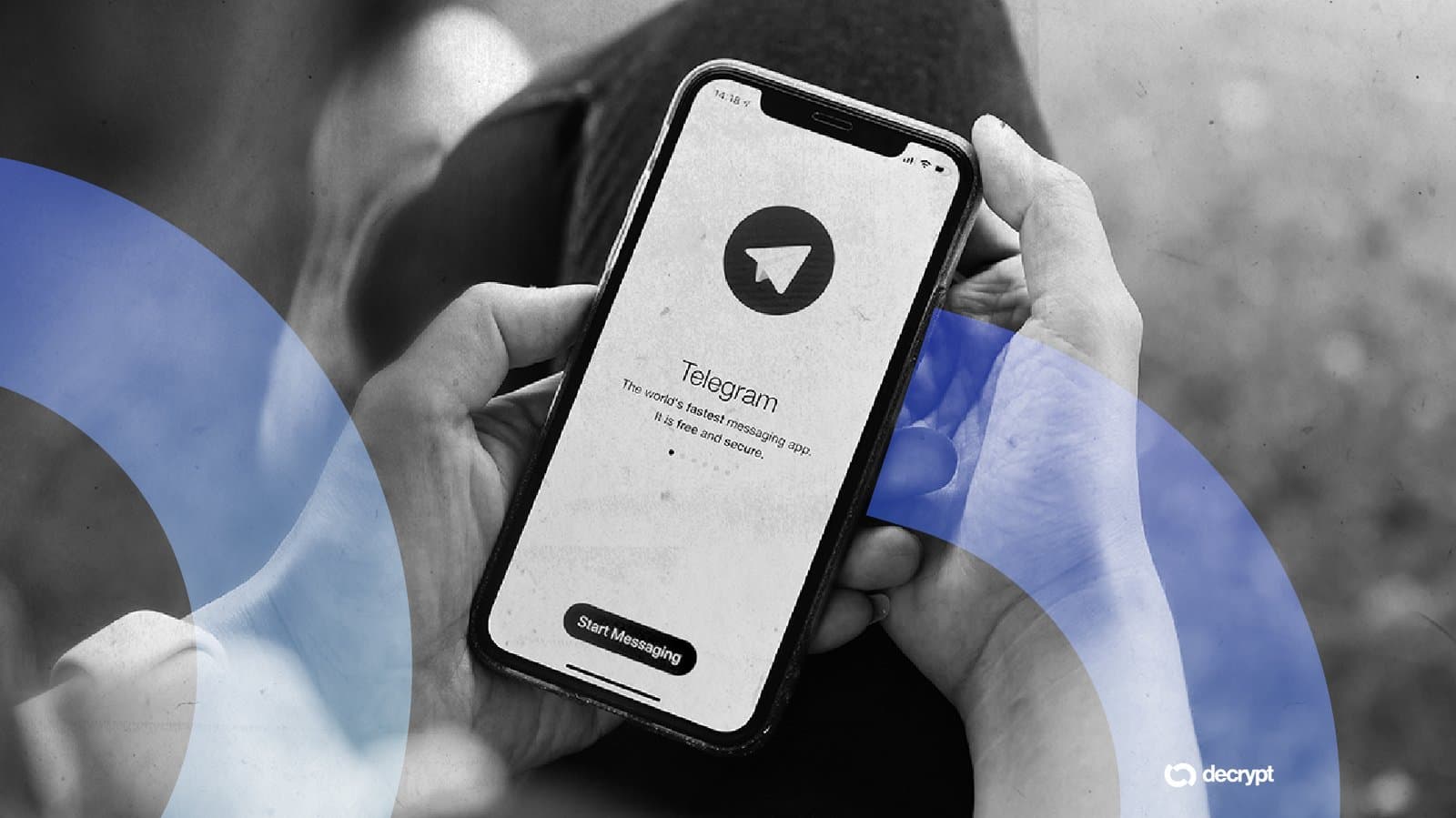
The Russian government has formally charged Pavel Durov, founder of Telegram, with aiding terrorism. The accusation marks a significant escalation in the ongoing tension between the secure messaging app and Russian authorities, who have previously accused Telegram of harboring extremist content and refusing to provide encryption keys.
Durov, a well-known figure in the tech and crypto communities, has long maintained Telegram's commitment to privacy and resistance to government censorship. However, Russia’s latest claim links the platform directly to aiding terrorism, a charge that could carry severe legal consequences and further complicate Telegram’s operations within the country.
This development follows a broader pattern of increased regulatory pressure against tech companies in Russia. Telegram's refusal to comply with government surveillance demands has already resulted in fines and temporary restrictions. Now, the accusation of supporting terrorism could pave the way for harsher penalties and possible blocking of the app nationwide.
Meanwhile, Telegram continues to be widely used across Russia and beyond, offering encrypted communication to millions. The fallout from these charges may impact not only Telegram’s business but also the broader discussion around online privacy, state control, and digital rights in Russia and globally.
In a related context, recent reports of rising crypto thefts and regulatory actions around technology platforms highlight the fragile balance between innovation and government oversight in digital spaces.
This material is for informational purposes only and does not constitute financial advice.