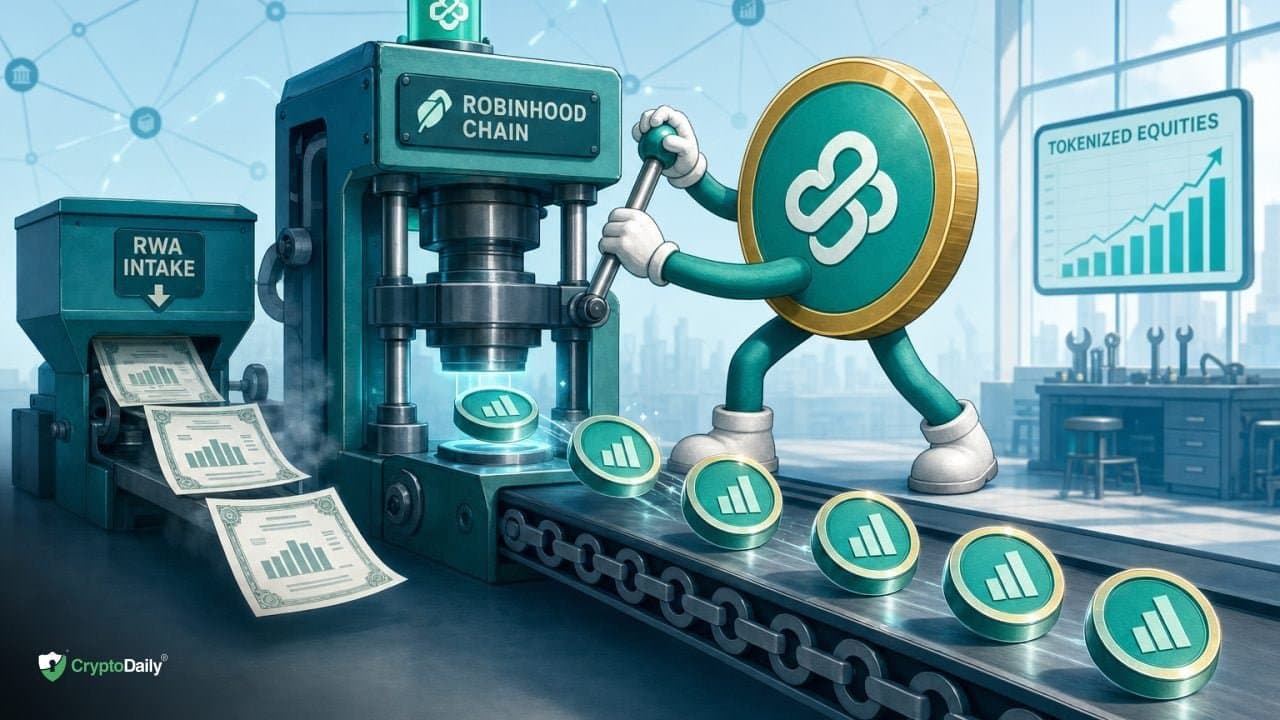
Robinhood Chain launched its mainnet on July 1, 2026, introducing Stock Tokens that let users trade tokenized shares of well-known companies around the clock. Within just two weeks, the total value locked (TVL) surged to nearly $312 million, with daily transactions hitting approximately 3.6 million. By July 21, these numbers climbed even higher TVL topped $431 million, daily transactions doubled to about 6 million, and cumulative decentralized exchange (DEX) volume surpassed $9 billion. Despite memecoins still dominating the trading flow, tokenized stocks have quickly carved out a significant niche.
Among the tokenized real-world assets (RWAs), the on-chain value jumped roughly fivefold in under two weeks, reaching around $70 million. Popular stocks such as GameStop, NVIDIA, and SpaceX now see over $500,000 traded daily in token form. But what exactly do these tokens represent? Typically, they mirror the economic exposure to a company’s shares but don’t always provide voting rights or direct ownership of the actual stock. The details depend on the issuing entity’s terms, so it’s essential to check the documentation.
Trading tokenized stocks on Robinhood Chain offers 24/7 access, which appeals to arbitrageurs and on-chain traders who want continuous equity exposure. Yet this feature introduces challenges. Prices rely on oracles that feed off-chain stock prices into the blockchain, but these can lag or update less frequently during off-market hours. That leads to wider spreads and potential risks like weekend gaps price jumps caused by news or events when traditional markets are closed.
In practical terms, a Stock Token behaves like a crypto asset linked to stock performance. Behind the scenes, a legal entity or smart contract holds the equity exposure and issues tokens that reflect that value on-chain. Market makers and arbitrageurs play a key role in keeping token prices aligned with their off-chain counterparts, especially when the stock market isn’t trading. If the token price drifts too far, traders can profit by exploiting the spread, which helps realign prices.
The rapid growth of Robinhood Chain and its tokenized stocks shows how decentralized finance is expanding beyond traditional crypto assets into real-world securities. However, investors should be mindful of risks such as smart contract vulnerabilities, regulatory hurdles, and regional restrictions that could affect access. While active traders and developers might embrace this innovation for its flexibility and 24/7 availability, long-term investors may still prefer conventional brokers.