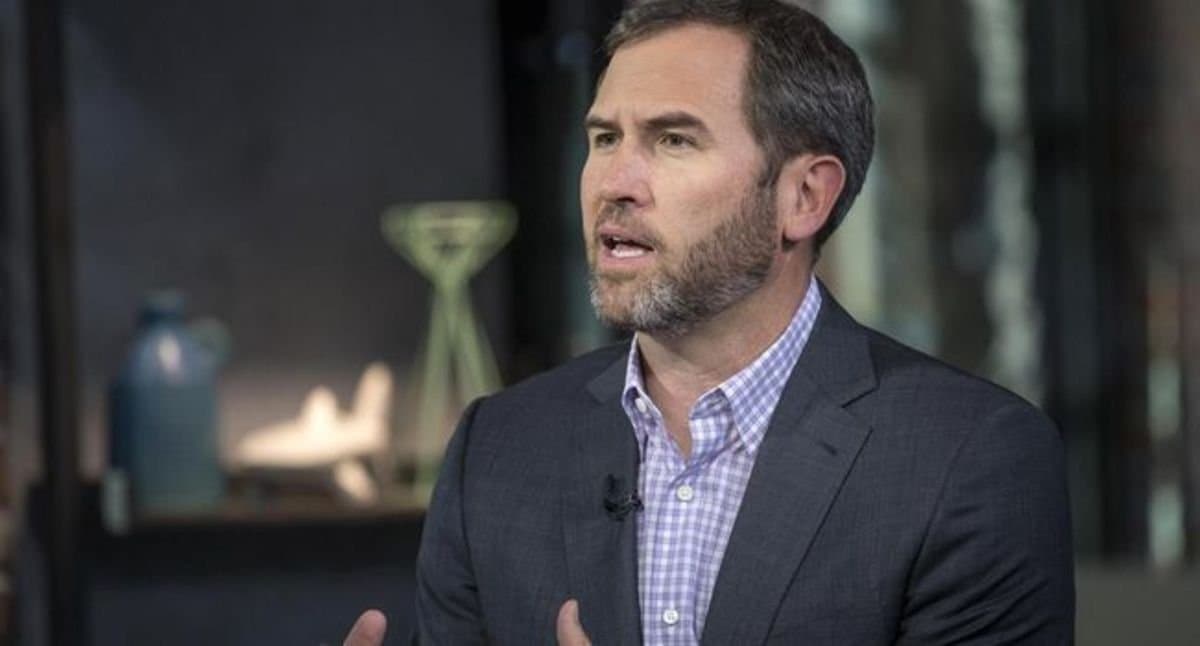
Brad Garlinghouse almost walked away. The Ripple CEO revealed this week that he and co-founder Chris Larsen seriously discussed winding the company down after the SEC filed suit in December 2020, distributing the firm's XRP treasury to shareholders on a pro rata basis and letting the regulator win by default. The legal logic was clean: no company, no case.
Garlinghouse made the admission at the University of Kansas School of Business. The plan was structurally similar to an airdrop to equity holders. Ripple would have handed out its XRP holdings proportionally, shut the doors, and told the SEC there was nothing left to argue about. Former CTO David Schwartz added that outside lawyers told leadership the company was unsavable and that executives should cut a personal deal to protect themselves.
$150 million and four years later
Ripple didn't fold. The reason, according to Garlinghouse, had little to do with confidence in the courts. It came down to headcount. Hundreds of employees would have lost their jobs in a shutdown; keeping the lights on meant keeping people employed. He described the decision as genuinely hard, not the obvious call it looks like in hindsight.
The bill for that choice ran to roughly $150 million in legal fees across four years. The SEC named Garlinghouse and Larsen personally, a move Schwartz called deliberate pressure to force a quick settlement. Garlinghouse said he had met SEC officials four times between 2017 and 2019, never once with a lawyer present, and was never told XRP could be treated as a security. That sequence became central to the industry's broader argument against regulation-by-enforcement.
The ruling and where XRP sits now
Judge Analisa Torres ultimately ruled that XRP itself is not a security. The case settled last year after new SEC leadership took a softer line on crypto broadly. It was a materially different outcome from what Ripple's own lawyers had predicted when the suit landed.
On the price side, this week's disclosure changes little in the short term. XRP was trading near $1.09, down about 1.4% on the day, in line with a wider market dip. The story is a look backward, not a new catalyst. What it does confirm is how fragile the XRP ecosystem's corporate backbone actually was at its lowest point, and how differently things could have turned out with one different decision in late 2020.
This article is for informational purposes only and does not constitute financial or investment advice.