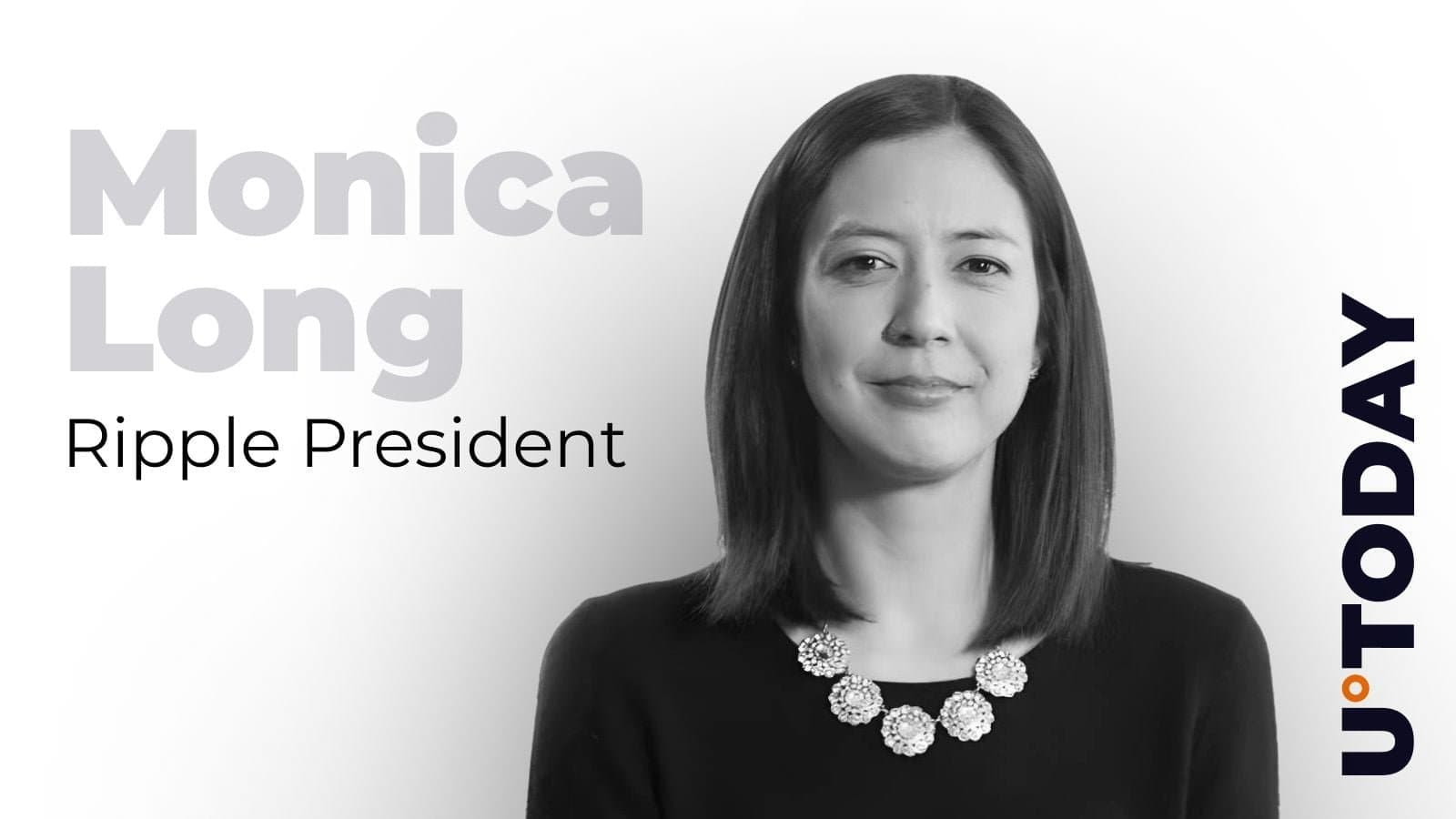
Three point nine seven billion dollars now lives on the XRP Ledger. That number, which represents real tokenized assets held by institutions, just became Ripple's answer to a simple question: are banks actually serious about blockchain, or are they just kicking the tires? According to Ripple President Monica Long, the answer just flipped from maybe to yes.
Long framed the shift bluntly in recent comments tied to fresh investments in trading platforms ZILO and Licuido. Banks, she said, have crossed a line. The era of pilots and proofs of concept is over. What's replacing it is production. Real money. Stablecoins flowing 24/7, collateral sitting on-chain, tokenized funds doing actual work instead of gathering dust in test environments.
The Light Switch Moment
The language matters. Long didn't say growth accelerated or adoption improved. She called it a "light switch flip," the kind of metaphor you use when something moves from off to on, not gradually brighter. Institutions are moving capital to blockchain infrastructure the way they moved to email in the 1990s: because staying offline started costing them money.
Ripple's new infrastructure deals address what these banks actually need right now. Transfer agent solutions. Collateral management tools. The plumbing that lets regulated institutions hold and move assets on-chain without lawyers losing their minds. The company's own stablecoin, Ripple USD, has hit $759 million in circulation, creating the liquidity pool that makes the whole system work. Aviva Investors, an investment giant, just launched a dollar liquidity fund on the network.
That's not a pilot. That's a product with a real customer. Other platforms are already building borrowing mechanisms around XRP and stablecoins, treating the ledger as a settlement layer the way they'd treat SWIFT or Fedwire. The infrastructure is becoming normal.
This article is informational only and should not be construed as financial advice. Cryptocurrency markets remain volatile and speculative. Consult a financial advisor before making investment decisions.