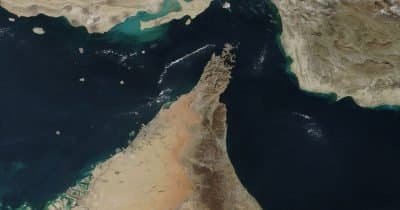
Progress in US-Iran negotiations has gained momentum thanks to the involvement of mediators from Qatar and Pakistan. Both nations have recently responded to a joint proposal designed to reopen communication channels, focusing mainly on the Strait of Hormuz tensions. This key waterway handles about 20% of the world’s seaborne oil, making its stability vital for global markets.
Crypto Enters the Diplomatic Arena
In an unexpected turn, Iran announced it will accept Bitcoin and USDT to cover transit fees for passage through the Strait of Hormuz. These fees are charged at around $1 per barrel, marking a significant shift as Iran uses cryptocurrencies to bypass traditional financial restrictions imposed by sanctions and the SWIFT system.
This decision highlights Iran’s attempt to embrace financial independence. Bitcoin’s decentralized nature provides freedom from centralized control, while USDT offers a stable, dollar-pegged option favored for everyday transactions by commodity traders. This dual approach shows Iran balancing sovereignty and stability in its payment methods.
Indirect talks held in late June and early July in Doha advanced maritime discussions, with Qatar and Pakistan acting as intermediaries. Pakistan’s strategic location between the Gulf and Central Asia, combined with Qatar’s diplomatic experience, created a foundation for constructive dialogue. The current framework builds on the Islamabad Memorandum signed in June 2026, which set a 60-day deadline with a focus on maritime access and steps toward regional peace.
The crypto market has already reacted to the positive developments, with Bitcoin prices rising amid hopes for a US-Iran peace agreement. cryptocurrencies have sometimes moved independently of traditional markets during these talks, reflecting traders’ expectations that crypto could directly benefit from sanctions circumvention strategies.
However, the path remains uncertain. If the US interprets Iran’s acceptance of crypto payments as sanctions evasion, it could trigger regulatory crackdowns affecting exchanges and protocols. Enforcement by the Office of Foreign Assets Control (OFAC) remains a critical risk factor for market participants.
The 60-day timeline from the Islamabad Memorandum offers a clear window for observing how these negotiations and their ripple effects on the crypto space will evolve.


