Protocol Overhauls Reshaping Crypto in 2026: What Investors Must Understand
Ethereum's Glamsterdam and Solana's Alpenglow are the defining crypto developments of 2026 — and their implications for investors go far beyond technical changelogs. Here's why protocol upgrades, not price charts, should be driving allocation decisions right now.
As market participants obsess over price charts and short-term volatility, the most consequential shifts in the crypto landscape this year are unfolding at the protocol level. Two upgrades stand out above all others in 2026: Ethereum's Glamsterdam and Solana's Alpenglow. Understanding what these upgrades mean — and why they matter beyond the technical changelog — is essential for anyone with serious exposure to digital assets.
**Ethereum's Glamsterdam: The Next Step in a Long Evolution**
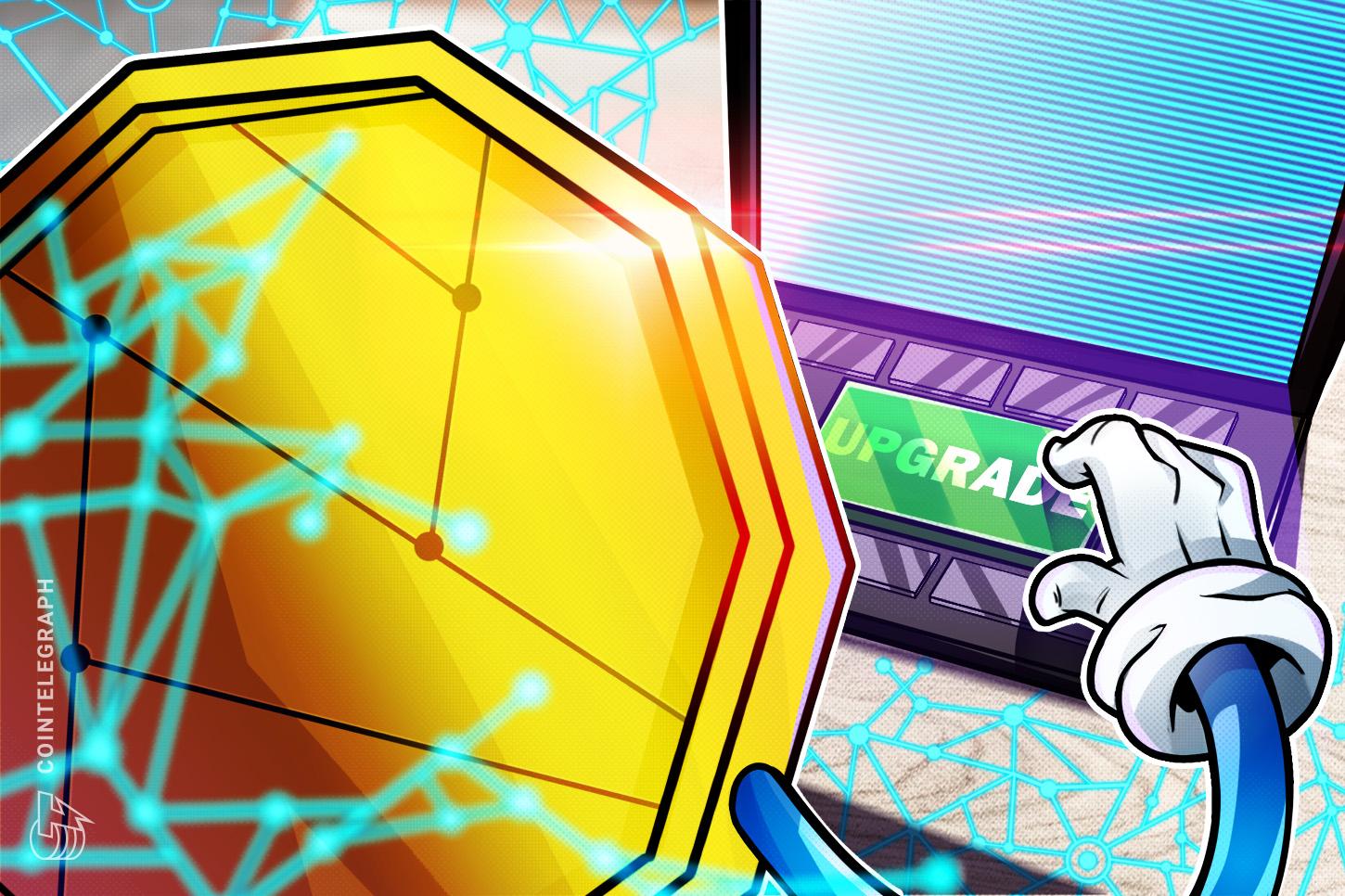
Ethereum has followed a methodical, multi-year upgrade roadmap since The Merge, and Glamsterdam represents its continued march toward scalability, efficiency, and long-term sustainability. While the name may sound whimsical, the substance is anything but. Glamsterdam is expected to bundle a set of Ethereum Improvement Proposals (EIPs) targeting execution layer performance, gas cost optimization, and further enhancements to the validator experience.
Why does this matter for investors? Each successful Ethereum upgrade reinforces the network's credibility as the dominant smart contract platform. It signals to institutional allocators that Ethereum's development pipeline is healthy and that the asset has a clear, iterative path forward. Historically, confirmed upgrade timelines have acted as a soft catalyst for ETH price appreciation, as speculative interest consolidates around milestone events. More importantly, efficiency gains translate directly into lower costs for DeFi protocols, NFT platforms, and Layer-2 networks built on top of Ethereum — broadening the addressable market for the entire ecosystem.
**Solana's Alpenglow: A Consensus Revolution**
Solana's Alpenglow upgrade is arguably the more radical of the two. It targets the network's consensus mechanism at its core, aiming to dramatically reduce latency and improve finality times. Solana has long positioned itself as the high-throughput alternative to Ethereum, but its history of network outages has raised persistent reliability concerns among developers and institutional users alike.
Alpenglow is designed to address exactly that vulnerability. By rearchitecting how validators reach consensus, the upgrade promises more deterministic block finality — a critical feature for applications in payments, trading infrastructure, and real-world asset tokenization. If Alpenglow delivers on its technical promises, it could meaningfully close the trust gap between Solana and more battle-tested networks, unlocking a new wave of developer migration and institutional interest in SOL as a productive asset.
**The Broader Signal: Infrastructure Over Speculation**
Taken together, the Glamsterdam and Alpenglow upgrades send a clear message: the most important developments in 2026 are happening at the infrastructure layer, not on price tickers. For investors, this framing should shift attention toward protocol fundamentals — developer activity, upgrade execution risk, and ecosystem growth metrics — rather than purely momentum-driven narratives.
There is also a competitive dimension worth noting. Both Ethereum and Solana are effectively racing to attract the next generation of builders and capital. The network that executes its upgrade roadmap most cleanly and communicates its improvements most effectively will likely consolidate a disproportionate share of new DeFi liquidity, tokenized asset flows, and institutional staking interest.
The risk, as always, lies in execution. Protocol upgrades of this scale carry smart contract risk, coordination challenges among validator sets, and the potential for unforeseen bugs post-deployment. Savvy investors should monitor testnets, audit reports, and developer community sentiment as leading indicators of upgrade health — long before mainnet deployment dates are announced.
In a market often distracted by short-term noise, 2026's protocol upgrade cycle is precisely the kind of structural signal that separates informed positioning from reactive speculation.