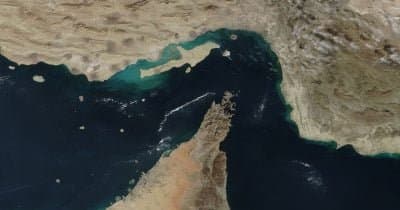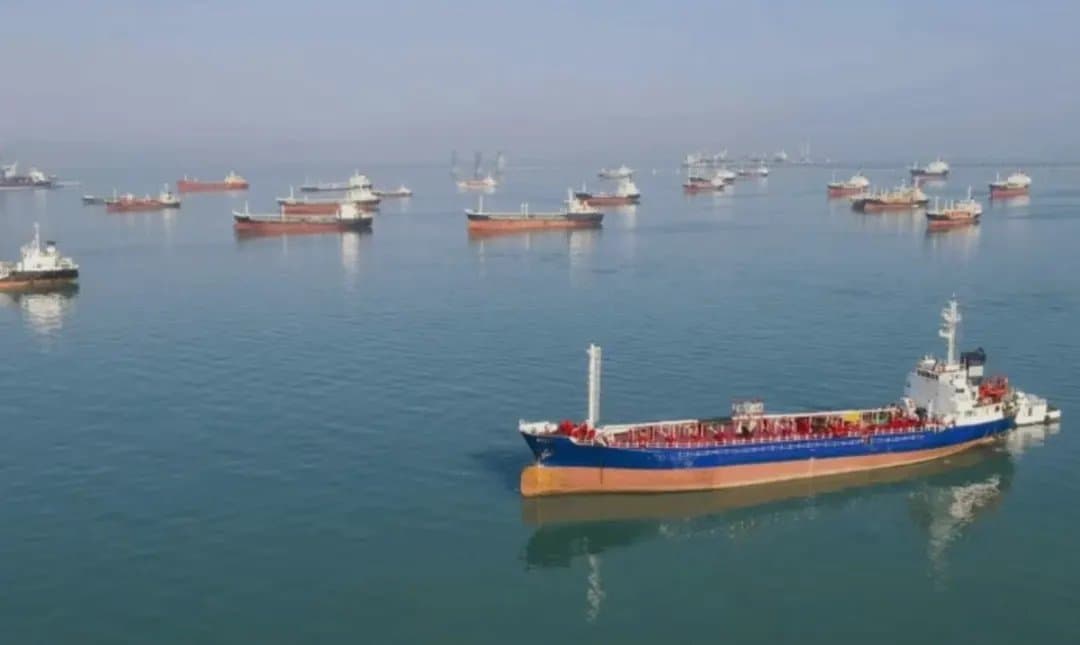
More than 1,500 commercial vessels anchored in the Persian Gulf due to the Strait of Hormuz closure risk transforming into carriers of invasive marine organisms. When these ships eventually resume their voyages, they could inadvertently spread species like algae, barnacles, and mussels to ports around the globe.
Biofouling and Its Escalating Threat
The phenomenon of biofouling occurs as marine creatures attach and accumulate on stationary ship hulls. Normally a factor in the spread of invasive species, this process becomes especially worrisome during extended vessel inactivity. The current unprecedented number of stuck ships creates optimal conditions for substantial marine growth, amplifying the risk that these organisms will colonize new environments when vessels set sail again.
Carolyn Tepolt, contributing biologist from the Woods Hole Oceanographic Institution, highlights the ecological and economic dangers involved. Invasive species can outcompete native aquatic life, damage fisheries, disrupt habitats, and cause expensive maintenance headaches for maritime infrastructure. Effective removal after establishment is often impossible.
Urgent Need for Enhanced Biosecurity Measures
Scientists urge immediate international cooperation to tackle this emerging threat. Suggested interventions include more rigorous hull cleaning protocols, enhanced surveillance at vulnerable ports, and predictive tracking of ships’ future movements post-delay. Collaboration between port authorities, shipping companies, and environmental agencies is essential to deploy rapid response strategies, aiming to contain invasive species before they take hold in new coastal regions.
This marine biosecurity challenge adds a layer of complexity beyond the well-covered impacts on oil shipments and global trade caused by the Strait of Hormuz closure.