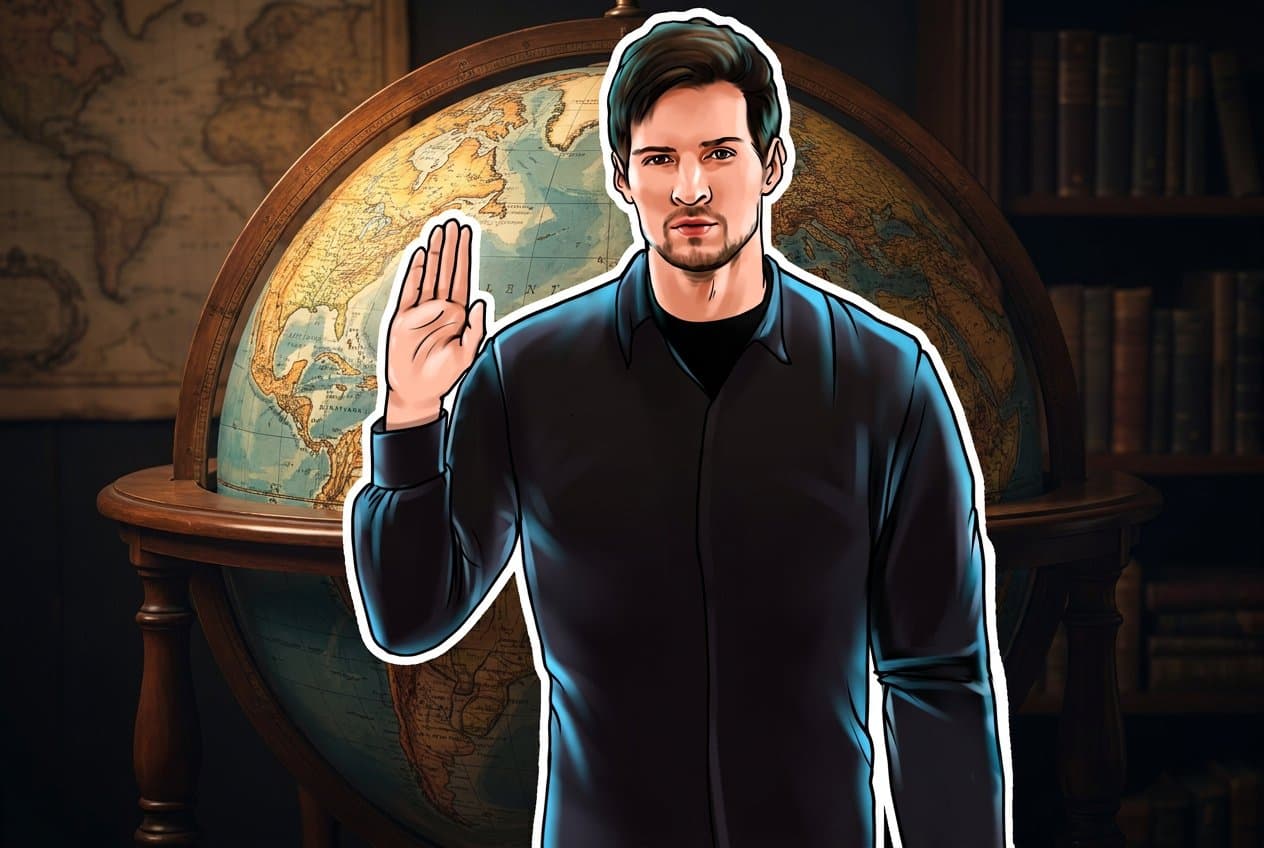
Pavel Durov, the founder of Telegram, faced a harsh backlash from Russia after the government slapped a terrorism label on him. This move came after he refused to comply with demands to enable mass surveillance and censorship on his messaging platform. Telegram has long been a thorn in the side of Russian authorities, prized for its encryption and relative independence from government control.
Durov explained that the terrorism designation was a direct response to his resistance against turning Telegram into a surveillance tool. Rather than bowing to pressure, he chose to protect user privacy, a decision that Russia’s security services clearly didn’t appreciate.
This incident highlights the growing tension between tech companies defending user freedoms and authoritarian regimes pushing for control over digital communications. Telegram’s stance contrasts with other platforms that have faced similar demands, impacting millions of users who rely on secure messaging.