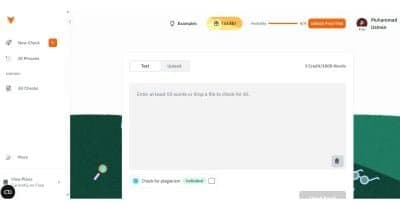
A Brooklyn startup named Pangram Labs has launched a tool it says can identify AI-generated content with astounding precision, boasting a 99.98% detection rate and an extremely low false positive rate on human writing. Founded by ex-Stanford researchers Max Spero and Bradley Emi in 2023, Pangram’s system categorizes text as human-written, lightly AI-assisted, moderately AI-assisted, or fully AI-generated, providing detailed scores for mixed usage.
The platform processes texts ranging from 75 words to 75,000 characters and supports over 20 languages. It easily integrates with popular educational platforms like Canvas and Google Classroom. Independent assessments from the University of Chicago Booth School of Business and the University of Maryland found Pangram's accuracy in identifying AI-generated text to be almost perfect across major language models such as ChatGPT and Claude. It also scored highly on the RAID benchmark, known for testing detection tools.
Controversy Over True Accuracy Rates
Despite these impressive claims, recent academic critiques highlight discrepancies between Pangram’s advertised false positive rate only 0.01% and results from independent studies showing rates closer to half a percent or higher. The debate emphasizes the complexities in distinguishing human and AI writing, especially as techniques blend, a challenge Pangram addressed with its 2026 update introducing mixed-text and model-specific detection.
With a $4 million seed funding round led by ScOp in mid-2025, Pangram is well positioned in the evolving debate on trust and authenticity in an era flooded with synthetic media. Its tool could reshape how digital content is verified, but the gap between marketing and academic results suggests caution for users relying solely on these metrics.
This material is provided for informational purposes and does not constitute financial advice.