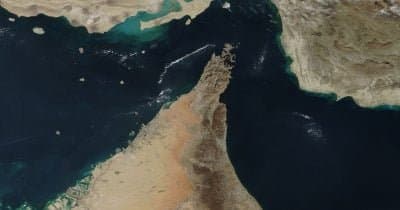
Oman recently unveiled a plan to jointly manage the Strait of Hormuz, aiming to ease regional tensions and oversee the vital shipping lane collaboratively. This proposal clashes with Iran’s firm grip on the strait, where Tehran has already established systems to charge fees for passage and assert dominion over the waterway.
The Strait of Hormuz, sandwiched between Oman and Iran, is one of the world's most critical maritime choke points. Iran’s control includes fee collection from vessels passing through, a move that Oman’s proposal challenges by suggesting a cooperative governance model inspired by the Strait of Malacca’s voluntary contribution system.
Regional Stakes and Global Implications
Iran’s insistence on unilateral control complicates Oman’s vision, reflecting deeper geopolitical frictions in the Gulf. Market signals indicate that this dispute may reduce the likelihood of the U.S. stepping in with its own toll system, despite prior discussions around imposing transit fees. Close attention remains on U.S. policymakers like President Donald Trump and Secretary of State Marco Rubio, whose decisions could shift the balance of power around the strait.
This standoff not only affects maritime governance but has broader consequences for oil markets and international shipping security, as tensions in the region escalate. The evolving diplomatic talks between Oman and Iran will be key to watch, potentially influencing whether a shared management approach takes root or Iran’s current control persists.
This content is for informational purposes and does not constitute financial advice.