The 10-year U.S. Treasury yield climbed to 4.71% on Thursday, its highest point of the year, after a one-two punch of geopolitical shock and surprisingly strong labor data rattled bond markets. Oil surged past $90 per barrel as the Iran conflict showed signs of widening, while the ECB held rates steady but kept its hawkish tone firmly intact.
Jobs Data That Barely Looks Real
Weekly U.S. initial jobless claims came in at 187,000. The consensus was 212,000. That gap is wide enough to make even seasoned economists pause, and several analysts are already asking whether there was a collection error. If the number holds up, it signals a labor market so tight it gives the Fed almost no room to stay on the sidelines.
Fed funds futures now price in roughly a 40% chance of a rate hike at next week's meeting. A week ago that probability was effectively zero. That's a dramatic shift in expectations compressed into just a few days of data and headlines.
ECB Holds, But the Message Is Still Hawkish
In Frankfurt, the European Central Bank kept its benchmark rates unchanged, which was the widely expected call. The tone of the governing council's statement, though, left little room for optimism: the ECB explicitly warned that "the full inflationary impact of the energy shock has yet to play out." With oil now above $90, that warning lands with extra weight.
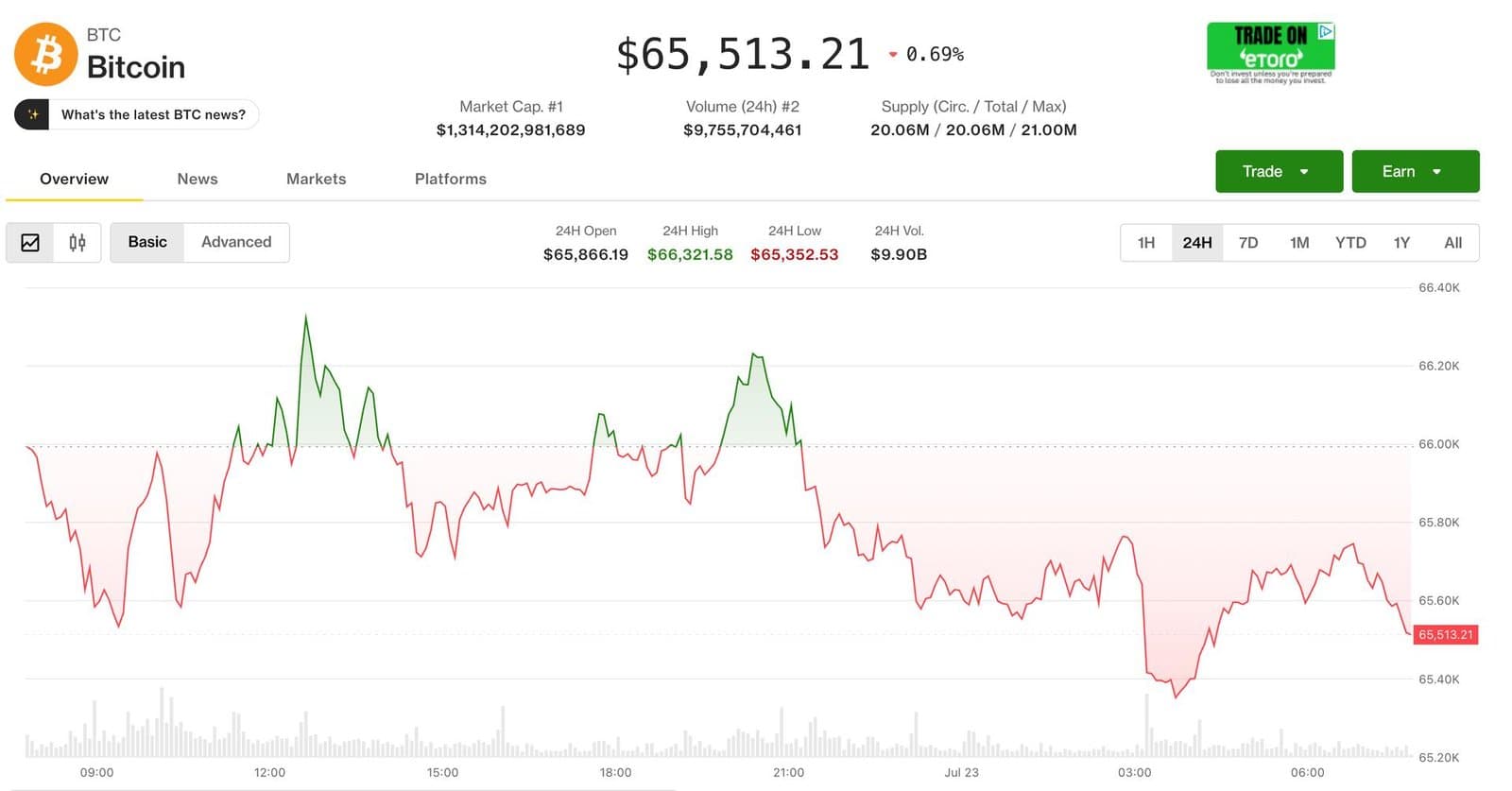
For crypto markets, the combination of higher oil, rising Treasury yields, and a Fed that may still have hikes left in it is a straightforward headwind. Bitcoin dipped in tandem with risk assets as the session progressed, tracking the broader move out of speculative positions and into safer ground. The 5 basis point jump in the 10-year yield alone is enough to tighten dollar liquidity conditions that crypto has relied on since early 2023.
This article is for informational purposes only and does not constitute financial or investment advice.