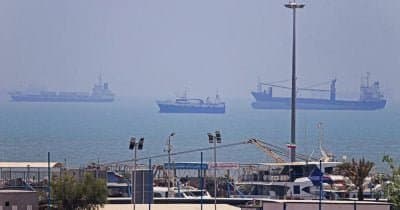
An oil tanker caught fire and exploded after striking a naval mine in the Strait of Hormuz, according to an Iranian military-affiliated news outlet. This event adds a new layer of tension to an already volatile region, known for its critical role in global oil transportation.
Details of the Incident and Its Context
The explosion reportedly occurred in the Strait of Hormuz, a narrow passage key for a significant portion of the world's oil transit. Iran’s armed forces-linked media reported the tanker hit a mine, triggering the blast. The incident arrives amid warnings from Iranian military leaders about potential U.S. strikes that could escalate the conflict further.
Historically, the Strait has been a flashpoint, with previous attacks on commercial vessels disrupting shipping routes and causing oil price fluctuations. Current U.S.-Iran relations remain tense, raising concerns that further incidents could destabilize energy markets. the recent spike in risk is reflected in WTI crude oil futures, where market indicators show a rising probability of prices reaching or surpassing $100 per barrel this month.
Market Reaction and Geopolitical Signals
The explosion has already triggered market movements, with crude prices edging higher on fears of supply disruption. Investors are closely watching responses from Iranian and U.S. officials, as their next moves could influence both diplomatic dynamics and energy flows. The International Energy Agency and OPEC+ are likely to review the situation given the potential impact on production quotas and global supply forecasts.
This event follows a pattern of escalating maritime security incidents in the area. Observers remain alert to possible military or diplomatic developments that could determine whether the Strait remains accessible for safe energy transit. The outcome will weigh heavily on geopolitical stability and the trajectory of oil markets moving forward.